Induction Heating Steel Valve and Flange Assemblies
Objective Large steel valves and flange assemblies are critical components in many industrial systems, but heating them efficiently for assembly,...


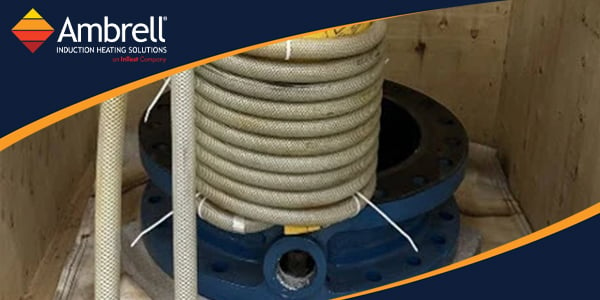
Large steel valves and flange assemblies are critical components in many industrial systems, but heating them efficiently for assembly, maintenance, or repair can be a challenge. Traditional methods such as ovens and open-flame heating often require significant floor space, long warm-up times, and additional safety precautions.
To evaluate a better approach, THE LAB at Ambrell recently tested induction heating for large steel valve and flange assemblies. The goal was to heat steel components to 600-700°F (315-370°C) while maintaining consistency and meeting process timing requirements.
More Heating Application Notes
Using an Ambrell EKOHEAT 50 kW induction heating system, THE LAB successfully heated the assemblies to the target temperature range, demonstrating the effectiveness of induction for this application.
Unlike conventional heating methods, induction generates heat directly within the workpiece. This allows parts to reach temperature quickly and consistently without the delays associated with oven warm-up times.
Consistent, Repeatable Results
For valve and flange assembly operations, consistent heating is essential. Induction provides repeatable heating cycles, helping manufacturers achieve reliable results from part to part.
Faster Processing Times
Because induction systems deliver heat directly to the component, they can reach target temperatures rapidly. This helps reduce process time and improve overall productivity.
Smaller Footprint
Induction systems typically require less floor space than large ovens. In addition, the workhead can be positioned remotely from the power supply, providing greater flexibility when integrating equipment into existing production environments.
Improved Safety
With no open flame and less ambient heat, induction heating can provide a safer working environment while still delivering the temperatures required for demanding industrial processes.
For manufacturers and maintenance teams working with large steel valves and flanges, induction heating offers an effective alternative to conventional heating methods. Combining speed, repeatability, safety, and space efficiency, induction can help streamline operations while delivering consistent heating performance.
Interested in evaluating induction heating for your application? THE LAB at Ambrell offers complimentary application testing to help determine the ideal solution for your process.

Objective Large steel valves and flange assemblies are critical components in many industrial systems, but heating them efficiently for assembly,...
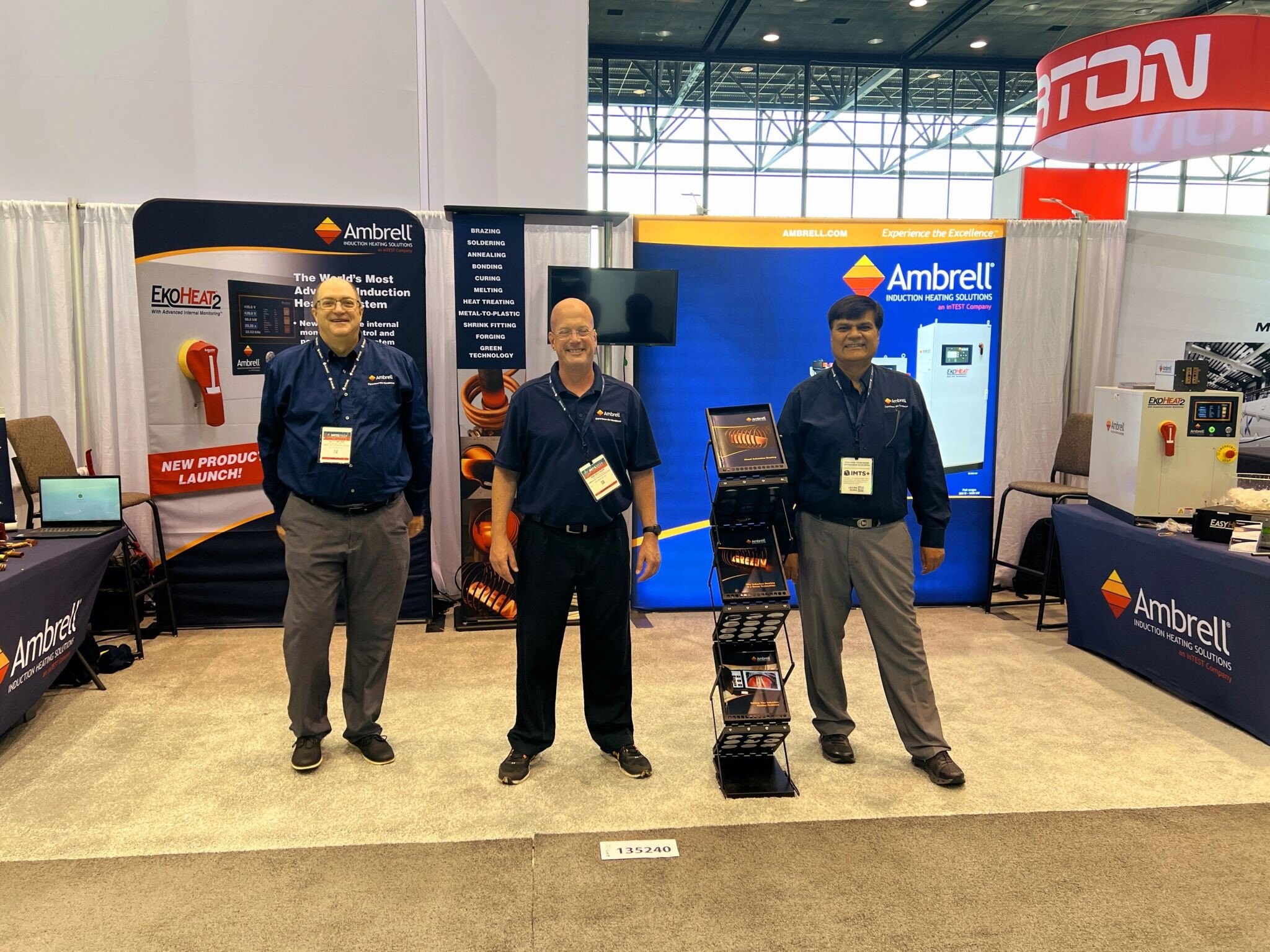
Next week, Ambrell will be exhibiting at three leading industry events spanning North America and Europe. Whether you're exploring new production...
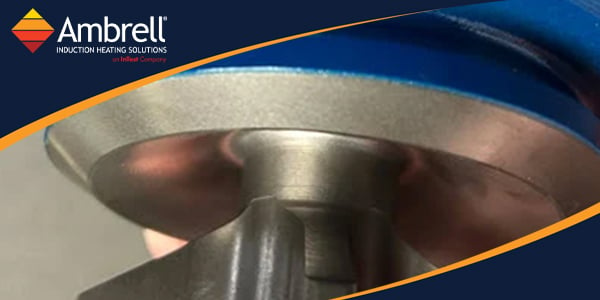
In the oil and gas industry, component reliability is critical. Fracking equipment operates in demanding environments where even minor manufacturing...