Ambrell to Exhibit at Three Manufacturing Tradeshows Next Week
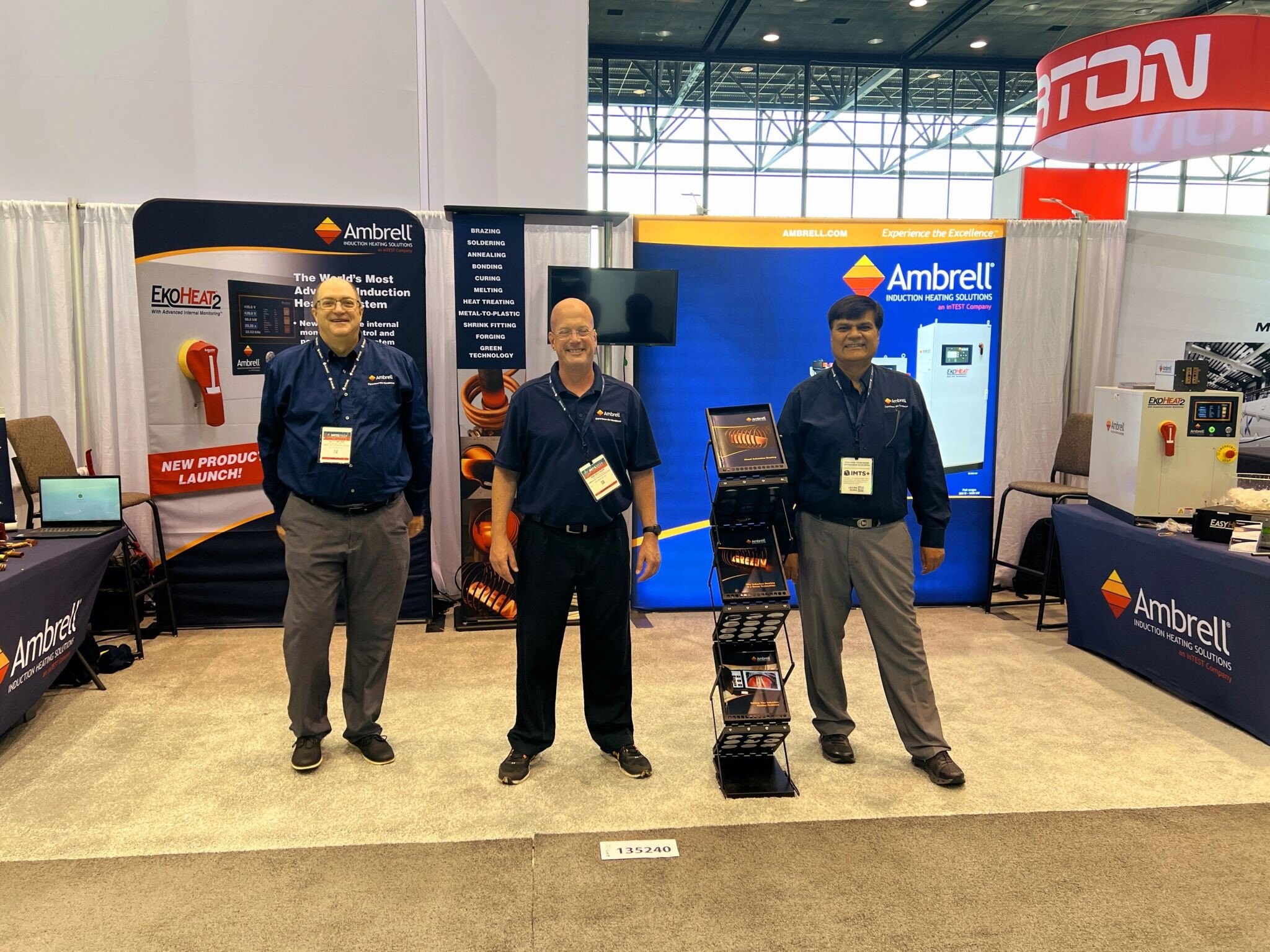
Next week, Ambrell will be exhibiting at three leading industry events spanning North America and Europe. Whether you're exploring new production...


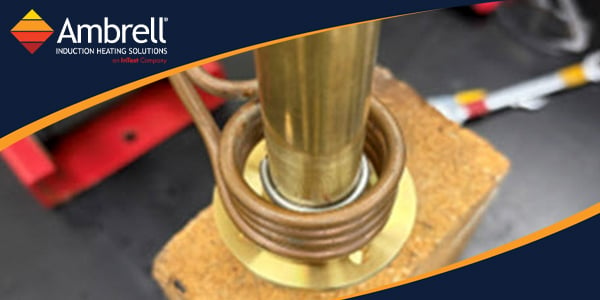
In antenna manufacturing, soldering quality is crucial. Poorly controlled heat can lead to inconsistent joints, unnecessary rework, and potential damage to sensitive components. Traditionally, many manufacturers have relied on torch-based heating processes, but induction heating offers a smarter, safer, and more repeatable alternative. Testing in Ambrell's applications lab demonstrated how induction heating can efficiently solder a brass antenna assembly while eliminating the drawbacks associated with flame heating.
A manufacturer needed to improve its process for soldering a brass antenna assembly. The primary goal was to achieve more reliable solder joints than flame heating could produce. Flame heating processes can introduce variability, increase safety concerns, and heat areas of the assembly that should not be heated.
To address the application requirements, Ambrell tested the assembly using an EASYHEAT 4.2 kW induction heating system equipped with a remote workhead. A custom-designed multiple-turn helical coil was engineered to generate the precise heat profile required for this soldering process.
The process utilized the customer's brass antenna components along with solder and flux. Operating at a frequency of 261 kHz, the system heated the assembly to approximately 500°F (270°C), creating optimal conditions for consistent solder flow and joint formation.
Optimizing the Process
As with many successful induction heating applications, testing focused on optimizing power delivery and coil design. The custom coil concentrated energy directly where it was needed, helping achieve soldering temperatures efficiently and consistently. Heat times for the solder joints were completed in less than one minute.
This illustrates one of the key advantages of induction heating, which is the ability to deliver rapid, localized heat without exposing surrounding components to unnecessary thermal stress.
Faster Processing
The induction heating system met the customer's cycle time objectives, achieving solder joint heating in less than a minute. Faster heat-up times can translate into improved throughput and increased productivity on the manufacturing floor.
Repeatable Results
Unlike torch heating, which can depend heavily on operator technique, induction heating delivers repeatability. Once the process parameters are established, manufacturers can expect consistent heating profiles and solder joint quality time after time.
Improved Safety
One of the most significant benefits is the elimination of an open flame. By removing flame-based heating from the process, manufacturers can improve workplace safety while reducing unwanted heat introduced into the work environment.
Energy Efficiency
Induction heating only heats the portion of the assembly that requires thermal energy. The process uses electricity rather than gas, making it a cleaner and more energy efficient heating method while minimizing wasted heat.
As antenna designs become more sophisticated and quality requirements continue to increase, manufacturers need heating technologies that provide precision, consistency, and process control. Induction heating offers all three. By delivering targeted heat exactly where it's needed, manufacturers can achieve reliable solder joints while reducing operator variability, improving safety, and lowering energy consumption.
For brass antenna assemblies and countless other electronic, RF, and communications components, induction heating continues to provide a proven path toward faster, cleaner, and more repeatable soldering processes.
This is just one of the many process heating applications that THE LAB at Ambrell analyzes on a day-to-day basis. You can explore a full range of application notes from various industries on our website. And, of course, you can send in your parts for complimentary testing.
Next week, Ambrell will be exhibiting at three leading industry events spanning North America and Europe. Whether you're exploring new production...
In the oil and gas industry, component reliability is critical. Fracking equipment operates in demanding environments where even minor manufacturing...
In antenna manufacturing, soldering quality is crucial. Poorly controlled heat can lead to inconsistent joints, unnecessary rework, and potential...