Ambrell to Exhibit at Three Manufacturing Tradeshows Next Week
Next week, Ambrell will be exhibiting at three leading industry events spanning North America and Europe. Whether you're exploring new production...


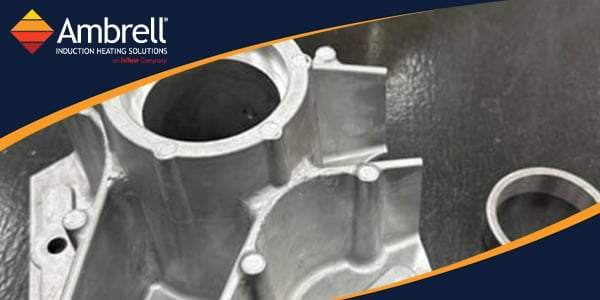
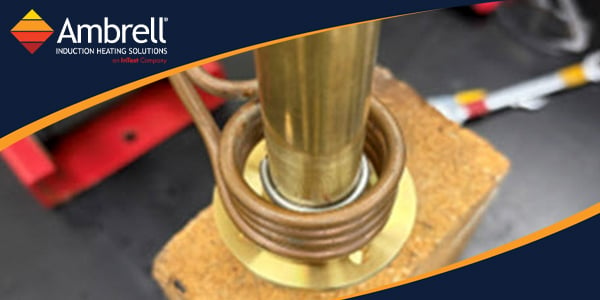
Shrink fitting is a mechanical joining process that creates an extremely tight, permanent joint by intentionally making an outer part slightly smaller than the inner part. In this application, THE LAB at Ambrell demonstrates how induction heating enables the successful installation of a copper ring into an aluminum casting—delivering a fast, controlled, and repeatable process ideal for this shrink fitting application.
Shrink fitting a copper ring into an aluminum casting presents several challenges:
Material differences: Copper and aluminum have different thermal and electrical properties, requiring precise heating.
Precision fit requirements: The interference fit must be tight enough to ensure mechanical integrity after cooling.
Process speed and consistency: High-volume production environments demand repeatable results with minimal cycle times.
Traditional heating methods—such as ovens or torches—can introduce inconsistencies, longer cycle times, and unnecessary heating of the surrounding material.
Induction heating provides a targeted, non-contact method to heat the copper ring prior to assembly. The shrink fitting process leverages the principle of thermal expansion, where metals expand when heated and contract as they cool.
In this application:
This method eliminates the need for mechanical fasteners, adhesives, or welding.
Using induction heating for this shrink fitting application offers several important benefits:
Precise, Localized Heating
Induction heats only the copper ring—not the surrounding environment—reducing the risk of distortion in the aluminum casting.
Fast Cycle Times
Induction systems deliver heat almost instantly, significantly reducing process time compared to other process heating alternatives.
Repeatable and Consistent Results
Accurate temperature control ensures uniform expansion and consistent fits across production runs.
Energy Efficiency
Because heat is applied directly to the workpiece, energy consumption is minimized compared to traditional heating methods.
Clean and Safe Operation
With no open flame or direct contact, induction heating improves workplace safety and reduces injury risk.
Induction shrink fitting offers a modern, efficient approach for assembling copper rings into aluminum castings. By applying heat precisely where it’s needed, manufacturers can achieve a reliable interference fit without compromising material integrity or production speed.
For operations looking to improve quality and throughput, this application demonstrates how induction technology delivers measurable advantages over conventional heating methods.
THE LAB at Ambrell has considerable experience with successful shrink fitting applications. To learn more about free application testing, visit our page about THE LAB to get the process started.
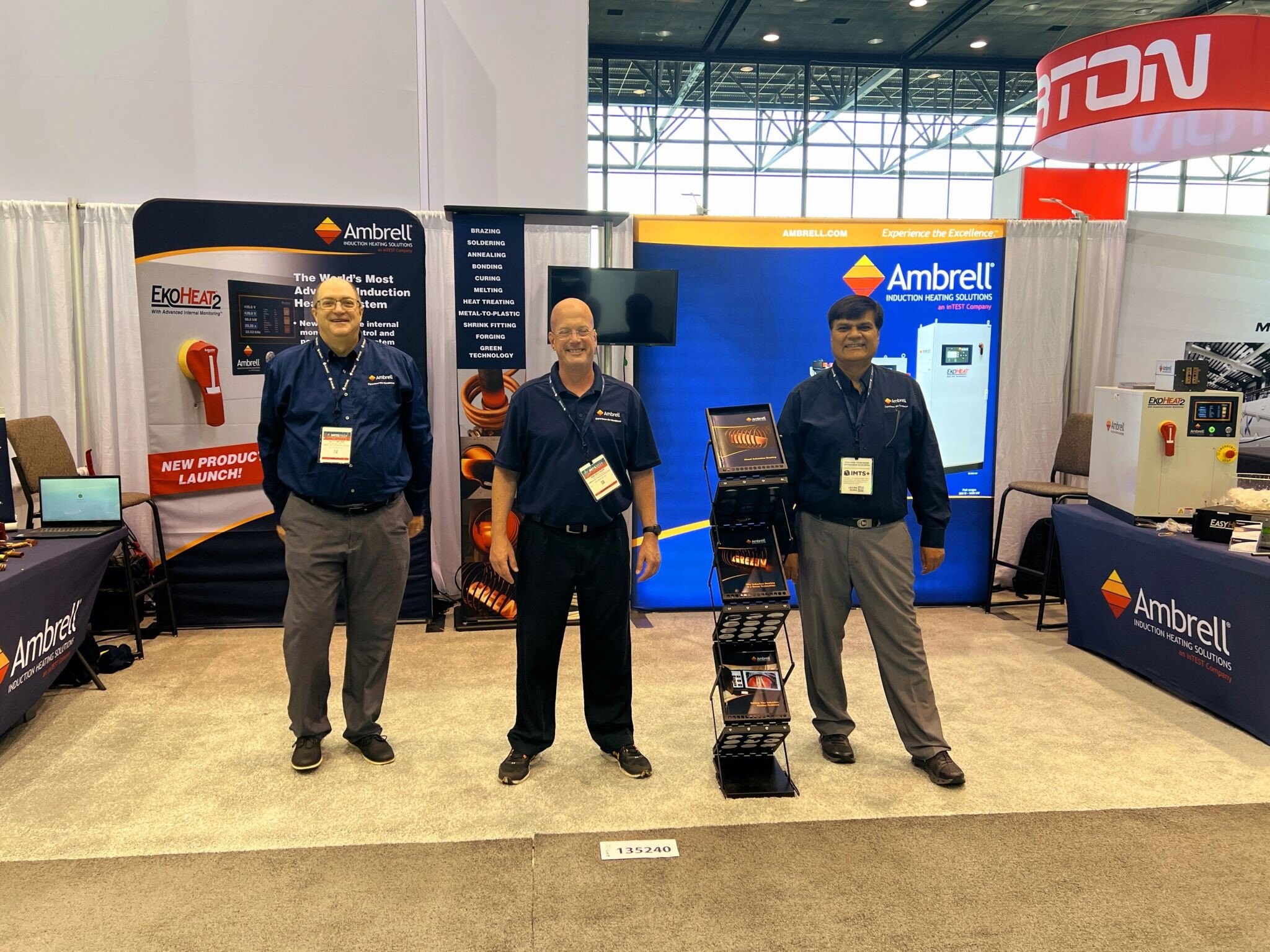
Next week, Ambrell will be exhibiting at three leading industry events spanning North America and Europe. Whether you're exploring new production...
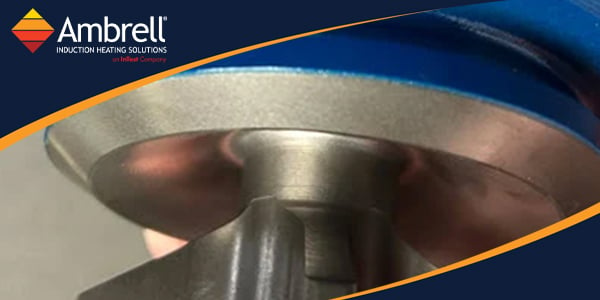
In the oil and gas industry, component reliability is critical. Fracking equipment operates in demanding environments where even minor manufacturing...
In antenna manufacturing, soldering quality is crucial. Poorly controlled heat can lead to inconsistent joints, unnecessary rework, and potential...