Ambrell to Exhibit at Three Manufacturing Tradeshows Next Week
Next week, Ambrell will be exhibiting at three leading industry events spanning North America and Europe. Whether you're exploring new production...


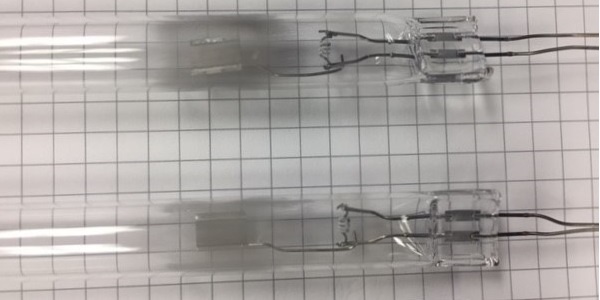
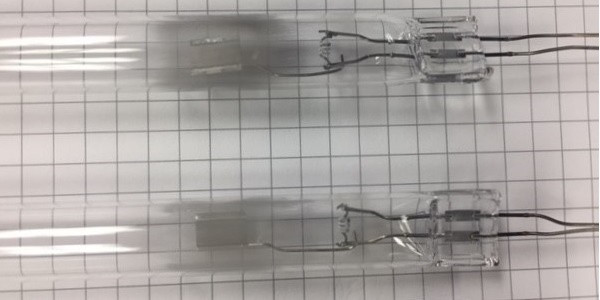
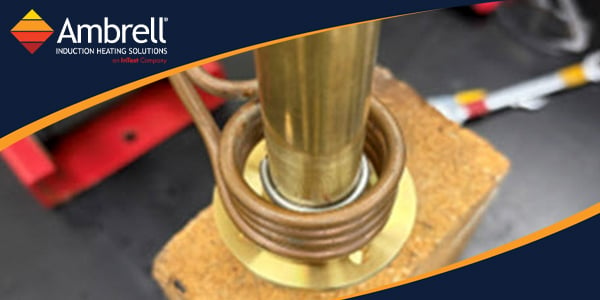
A manufacturer in the lighting industry needed to heat lighting tubes for a getting firing application. Getter heating removes residual gas from bulbs during manufacturing. Initial testing confirmed that an EASYHEATTM 4.2 kW, 150-400 kHz induction heating system equipped with a remote workhead was the right system for the application.
THE LAB at Ambrell conducted testing for the client to prove out the application. The bulb was heated until the getter was glowing and the coating vaporized and condensed on the inside of the bulb. It took 10 seconds to heat the sample to temperature, meeting the client’s process requirement.
The expertise of THE LAB at Ambrell, induction's repeatability and the EASYHEAT's modest footprint played into the client's decision to turn to Ambrell. Ambrell's reputation for quality, including systems being backed by two-year warranties, also factored into why the client chose Ambrell.
Click here to learn about other heating applications that THE LAB at Ambrell has designed. Interested in getting your application tested by THE LAB? Just fill out this form to get started!

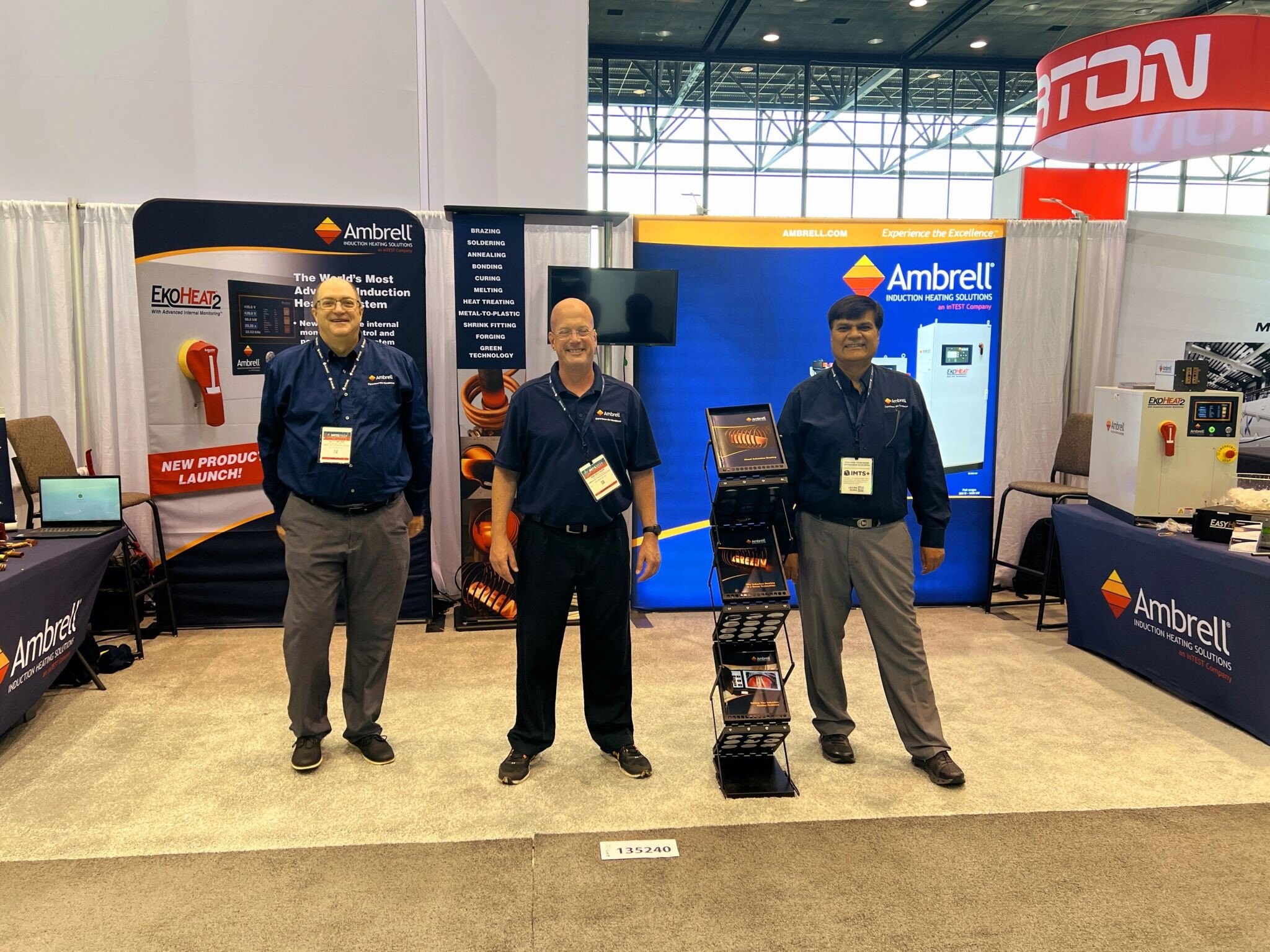
Next week, Ambrell will be exhibiting at three leading industry events spanning North America and Europe. Whether you're exploring new production...
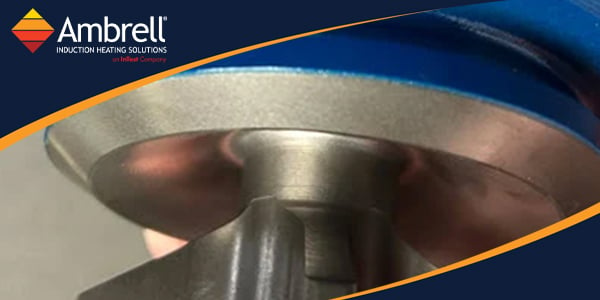
In the oil and gas industry, component reliability is critical. Fracking equipment operates in demanding environments where even minor manufacturing...
In antenna manufacturing, soldering quality is crucial. Poorly controlled heat can lead to inconsistent joints, unnecessary rework, and potential...