Induction Heating Steel Valve and Flange Assemblies
Objective Large steel valves and flange assemblies are critical components in many industrial systems, but heating them efficiently for assembly,...


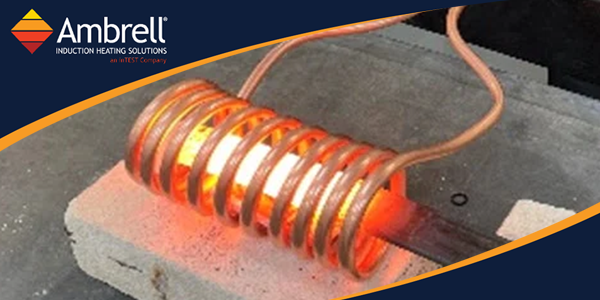
A company wanted to replace their gas-fired slot furnaces in their forge shop with induction heating units. The application involved heating both ends of steel flat stock simultaneously. They turned to THE LAB at Ambrell to validate the viability of their forging application.
The end product was a steel pry bar. THE LAB determined that an Ambrell EKOHEAT 100 kW induction heating system set to 31 kHz would work optimally for the application. The forging temperature was 2,192 °F (1200 °C). A specially-designed multiple-turn helical coil was used to provide the heat to the steel parts. Initial tests were conducted to optimize the power delivered to the parts and to understand the heating patterns achieved. The viability of the application was confirmed.
Footprint and efficiency are two benefits of induction heating compared to a gas-fired slot furnace. Induction's footprint is modest, especially when one considers that the workhead can be placed away from the power supply. Induction also can be part of an electrification initiative, and some utilities even offers incentives to make such a change. Induction is also very precise and consequently introduces less heat into the work environment.
Visit our induction forging applications page to review other forging application notes from THE LAB at Ambrell. If you have an application that might benefit from induction heating, be sure to take advantage of complimentary application testing from THE LAB. Testing is available in-person or virtually.

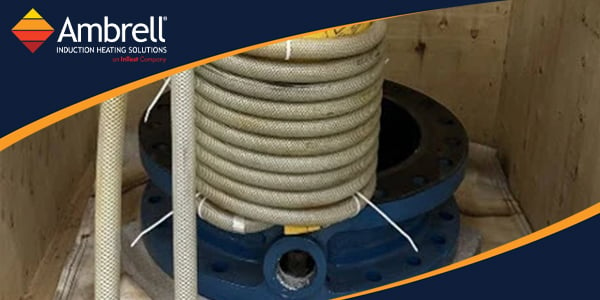
Objective Large steel valves and flange assemblies are critical components in many industrial systems, but heating them efficiently for assembly,...
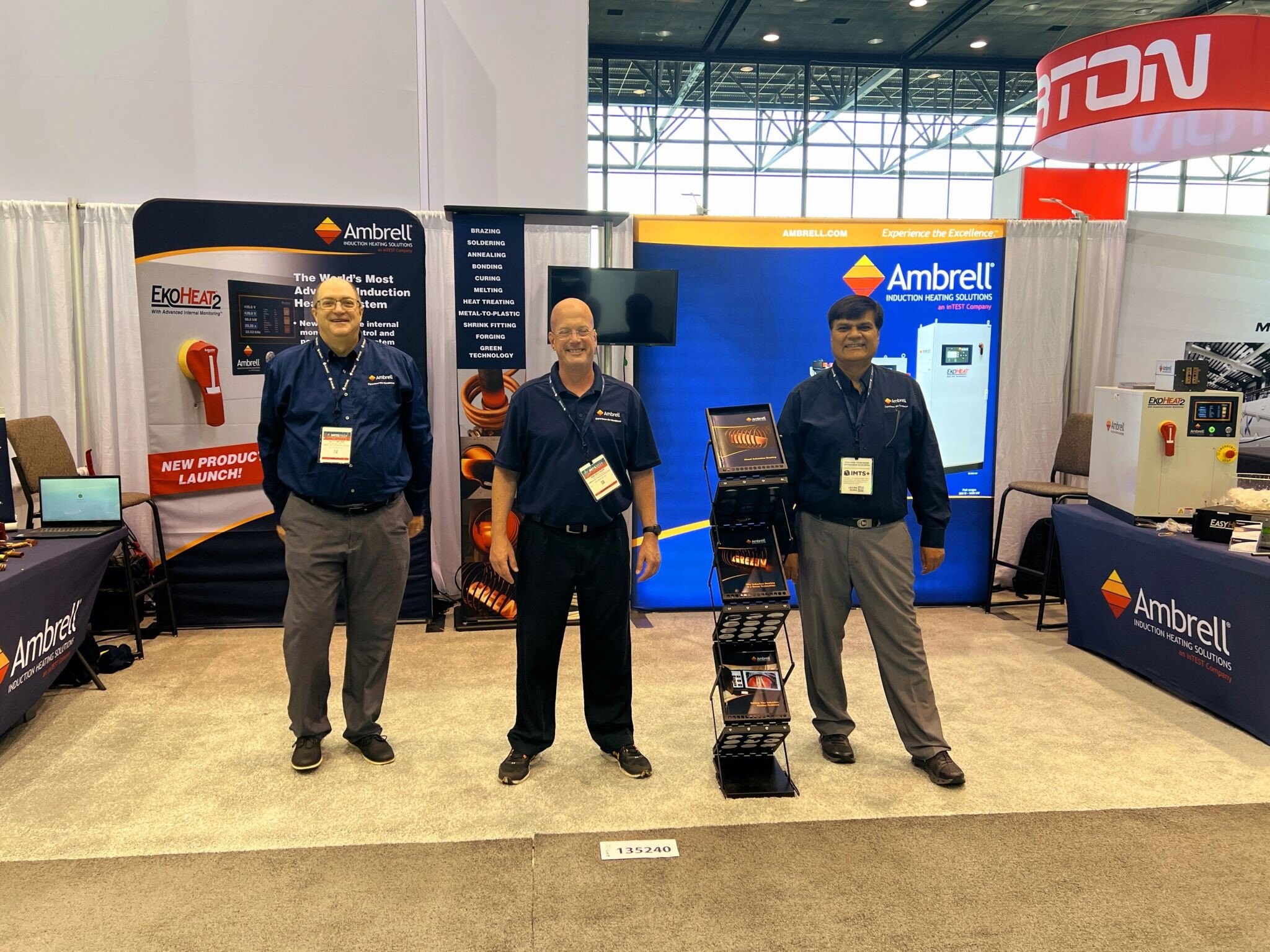
Next week, Ambrell will be exhibiting at three leading industry events spanning North America and Europe. Whether you're exploring new production...
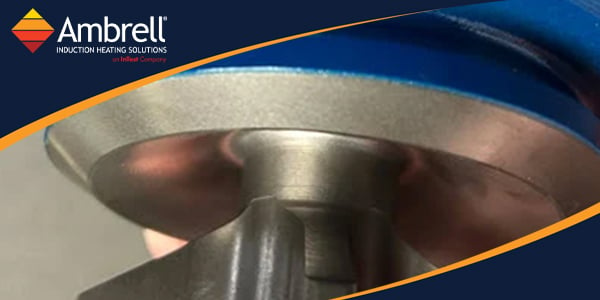
In the oil and gas industry, component reliability is critical. Fracking equipment operates in demanding environments where even minor manufacturing...