Induction Heating Steel Valve and Flange Assemblies
Objective Large steel valves and flange assemblies are critical components in many industrial systems, but heating them efficiently for assembly,...


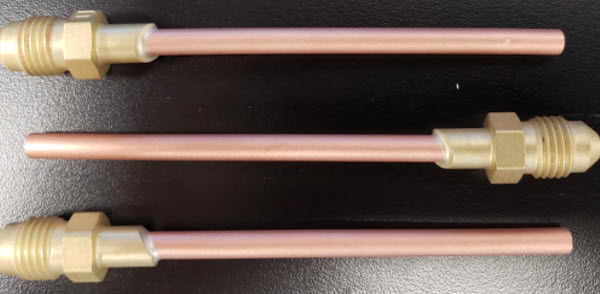
A client in the aerospace industry needed to braze brass and copper nozzles. They had been using a torch, but were looking for a cleaner and more repeatable heating solution. So they sent their parts into THE LAB at Ambrell for complimentary parts testing to see if induction might be a better heating solution for their brazing application.
The LAB determined that an Ambrell EASYHEAT™ 6 kW, 150-400 kHz induction system with a custom-designed multiple-turn helical coil would be the right solution for this brazing application. The target part temperate was 1200 °F (649 °C).
The LAB used temperature indicating paint for testing, which dissolves when the part reaches temperature. It took about 120 seconds to heat the part to temperature. The speed and end-product met the client’s objectives.
There are numerous benefits to induction when compared to torch heating. Speed is often a benefit. Repeatability is also a key benefit, as induction can be easily automated and isn't dependent on operator skill. Finally, there's no open flame with induction, so it's a comparatively safer option that introduces less heat into the work environment. In the case of this client, repeatability and safety were the two primary benefits.
If you have an application you'd like assessed, contact THE LAB to take advantage of complimentary induction heating application testing from our expert applications team.

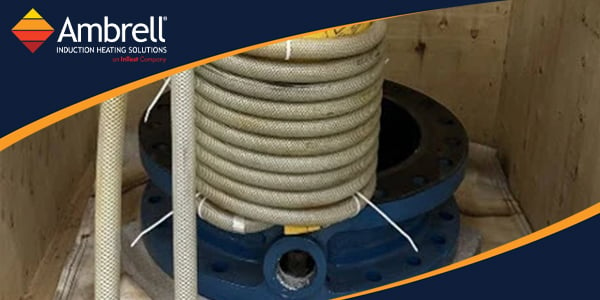
Objective Large steel valves and flange assemblies are critical components in many industrial systems, but heating them efficiently for assembly,...
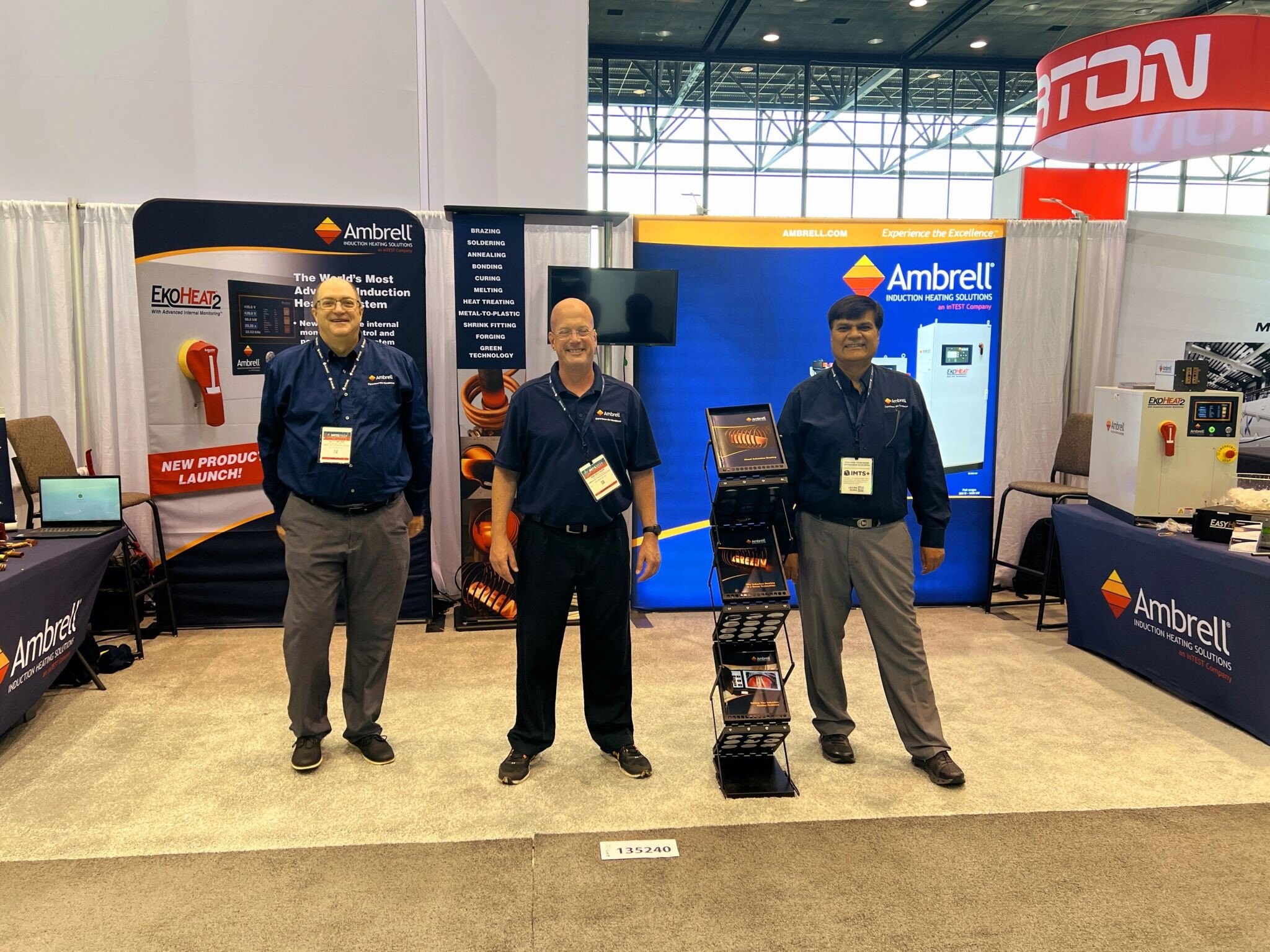
Next week, Ambrell will be exhibiting at three leading industry events spanning North America and Europe. Whether you're exploring new production...
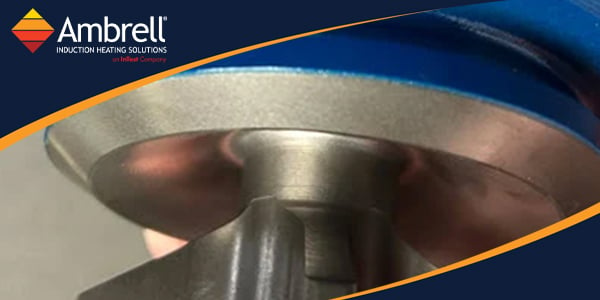
In the oil and gas industry, component reliability is critical. Fracking equipment operates in demanding environments where even minor manufacturing...