Induction Heating Steel Valve and Flange Assemblies
Objective Large steel valves and flange assemblies are critical components in many industrial systems, but heating them efficiently for assembly,...


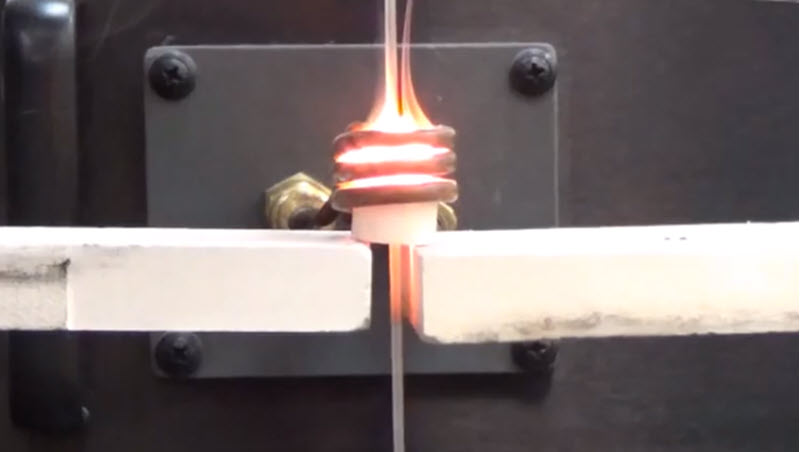
A client needed to heat a steel susceptor in order to heat glass rods for a glass cutting application. They decided to take advantage of free parts testing from THE LAB at Ambrell. Given their requirements, Ambrell's team of application engineers determined that an Ambrell EASYHEATTM 1.2 kW, 150-400 kHz induction heating power supply with a custom-designed single position multiple-turn helical coil would be the optimal solution for this application.
Initial tests were conducted to optimize the power delivered to the part. A pyrometer was used to measure the temperature of the part until it reached the target temperature. It was observed that it took eight seconds to heat the sample to 2000 °F (1093 °C) and melt the glass. This met the client's objectives.
THE LAB confirmed the viability of this application. Induction offered fast, safe and repeatable heating that would work well for susceptor heating for glass cutting. To learn more about free induction heating testing by our expert induction heating application engineers, visit our website. Or click the image below to check out application notes from THE LAB.

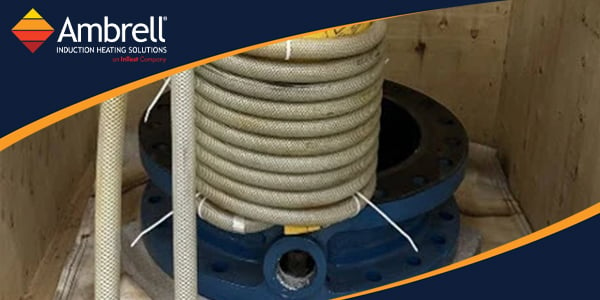
Objective Large steel valves and flange assemblies are critical components in many industrial systems, but heating them efficiently for assembly,...
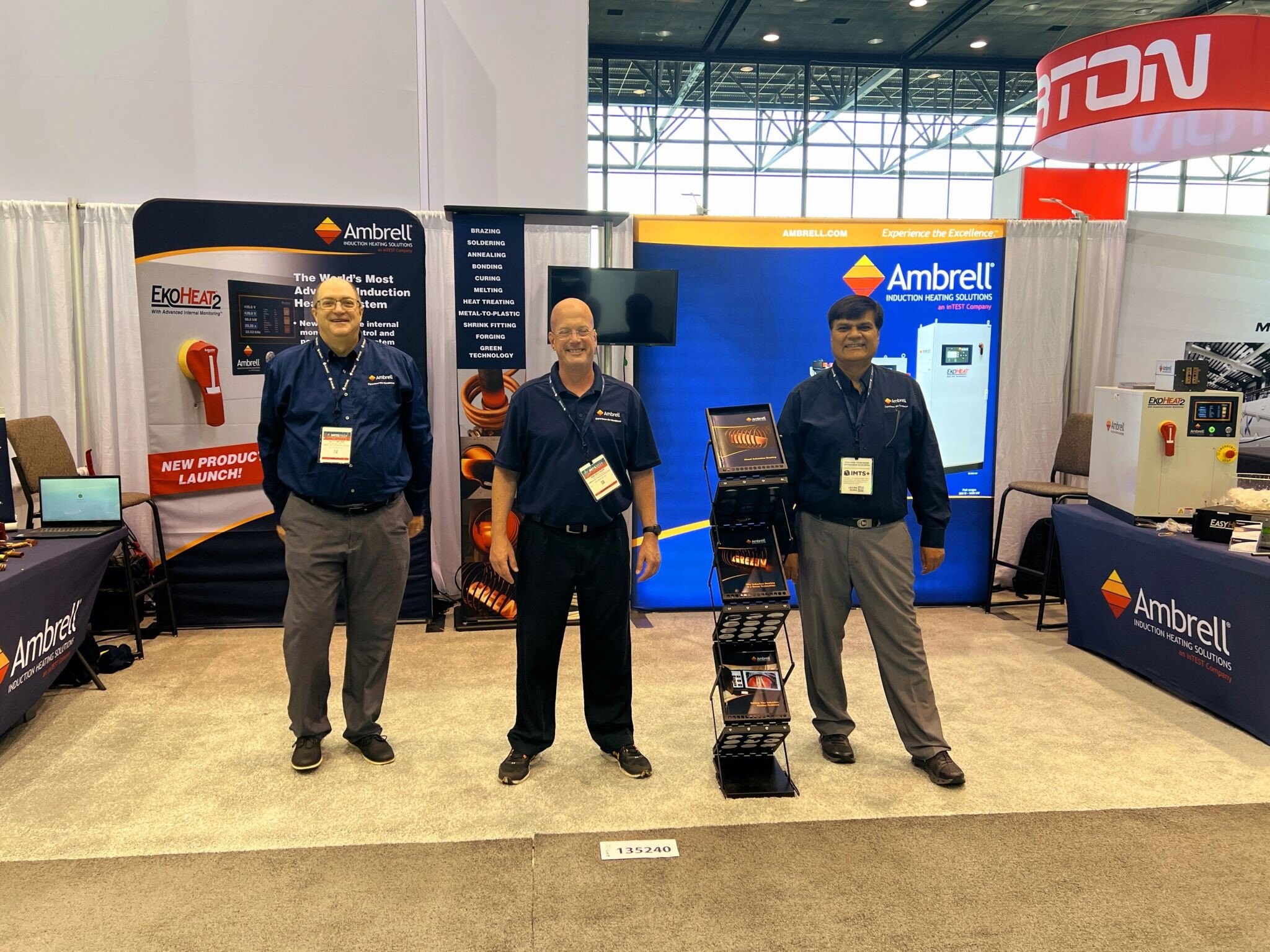
Next week, Ambrell will be exhibiting at three leading industry events spanning North America and Europe. Whether you're exploring new production...
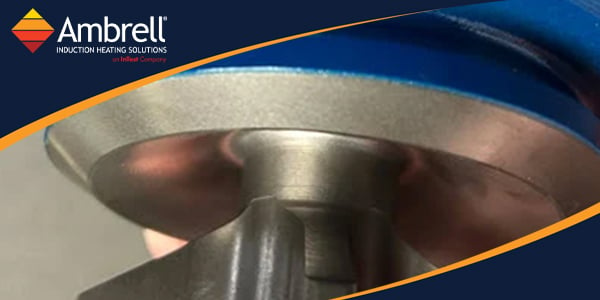
In the oil and gas industry, component reliability is critical. Fracking equipment operates in demanding environments where even minor manufacturing...