Ambrell to Exhibit at Three Manufacturing Tradeshows Next Week
Next week, Ambrell will be exhibiting at three leading industry events spanning North America and Europe. Whether you're exploring new production...


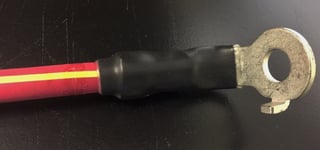
An automotive supplier turned to Ambrell because they needed to heat eight different automotive battery cables to melt adhesive. Doing this provides extra sealing around the end of the shrink tubes. The battery cable is aluminum with copper ends. They were using an oven but needed to leverage induction to further heat the cable to help the glue adhere.
THE LAB at Ambrell designed and built a U-shaped coil for this application. Temperature indicating paint was applied to the parts, and it took 10 seconds to heat the various styles of the part to a target temperature of 550 °F (288 °C). An Ambrell EKOHEAT 15 kW, 50 to 150 kHz system was used for this application.
THE LAB successfully confirmed the viability of this application. Induction's rapid heating was a key factor as was its ability to precisely heat one area of the part. Of course, THE LAB's expertise was also critical. You can read about other automotive applications using induction heating on our website.

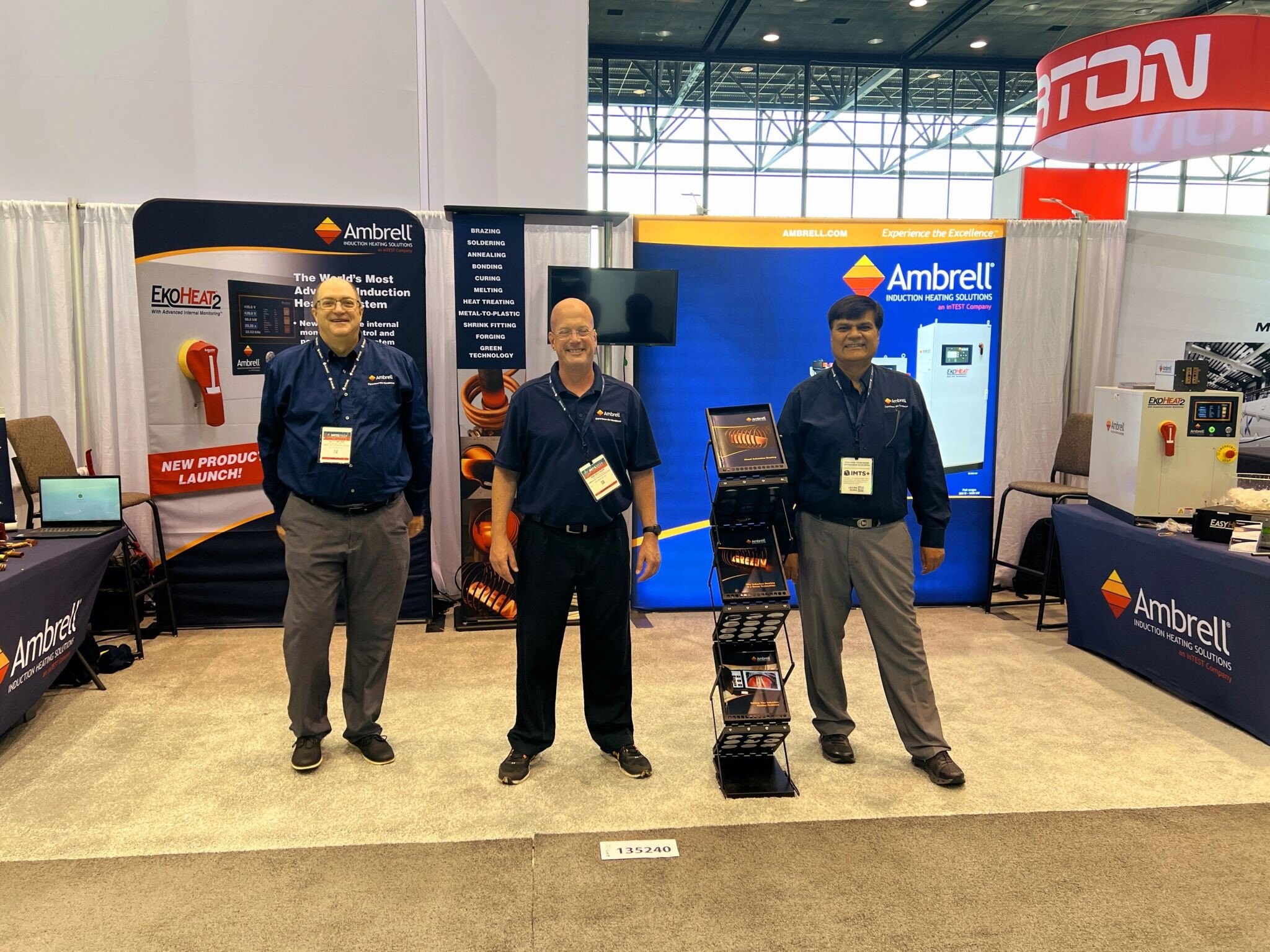
Next week, Ambrell will be exhibiting at three leading industry events spanning North America and Europe. Whether you're exploring new production...
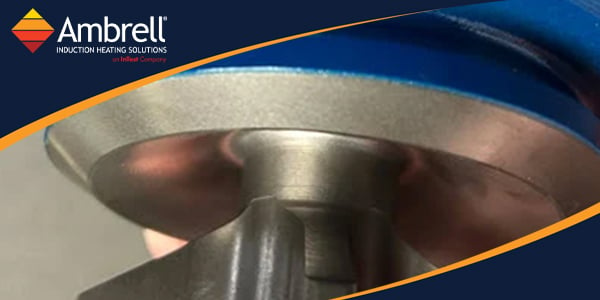
In the oil and gas industry, component reliability is critical. Fracking equipment operates in demanding environments where even minor manufacturing...
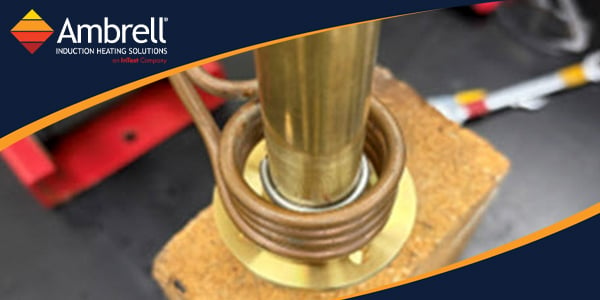
In antenna manufacturing, soldering quality is crucial. Poorly controlled heat can lead to inconsistent joints, unnecessary rework, and potential...