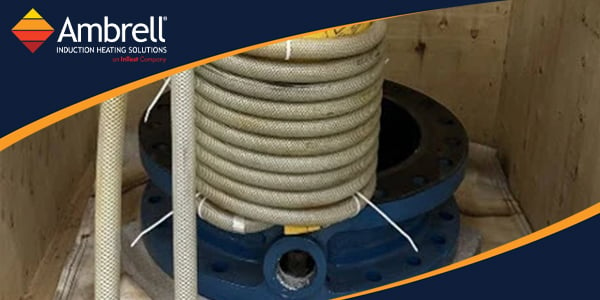
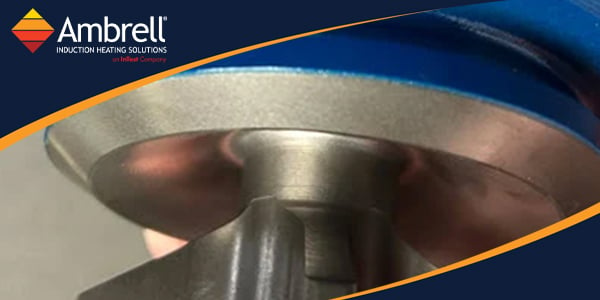
Catheter tipping is an important technique in medical procedures that involves shaping the distal end of a catheter to a specific configuration. This configuration can vary significantly, from simple bends to complex shapes, depending on the medical application. Induction heating is commonly selected for this process, offering precision, efficiency, and flexibility.
Understanding Induction Heating
Induction heating is a non-contact heating process that uses electromagnetic induction to heat electrically conductive materials. Here's an overview of how it works:
Alternating Current
An alternating current (AC) is passed through a coil, creating a magnetic field.
Magnetic Field
The magnetic field induces an current within the conductive material (the catheter tip).
Heat Generation
This induced current, known as eddy currents, causes the material to heat up due to resistive losses.
The Catheter Tipping Process
Catheter Placement
The catheter is positioned within a specialized tool designed to hold it securely.
Induction Heating Coil
The induction heating coil is placed around the desired area of the catheter tip.
Heat Application
An AC current is passed through the coil, generating a magnetic field that heats the catheter tip.
Shape Formation
As the tip heats up, it becomes malleable and can be shaped using a variety of techniques, such as manual bending or using a shaping die.
Cooling and Hardening
Once the desired shape is achieved, the heat source is removed, and the catheter tip is allowed to cool and harden.
Advantages of Induction Heating for Catheter Tipping
Precision
Induction heating allows for precise control of the heating zone, enabling accurate shaping of the catheter tip.
Speed
The rapid heating and cooling cycles of induction heating significantly reduce required processing time.
Flexibility
This technique can be used to shape a wide variety of catheter materials and configurations.
Efficiency
Induction heating is an energy-efficient process with minimal heat loss, saving energy expenses while benefiting the environment.
Non-Contact Heating
This eliminates the risk of contamination and damage to the catheter.
Induction heating has become an relied-upon tool in the medical device industry, enabling the production of high-quality catheters with complex shapes that meet the diverse needs of modern medical procedures. On our website you can check out application notes from THE LAB at Ambrell discussing several lab tests involving catheter tipping.