Induction heating, a process that uses electromagnetic induction to heat electrically conductive materials, is used for several applications in the packaging industry. This technology offers numerous advantages over traditional heating methods, making it a valuable tool for manufacturers in countless industries.
How Does Induction Heating Work?
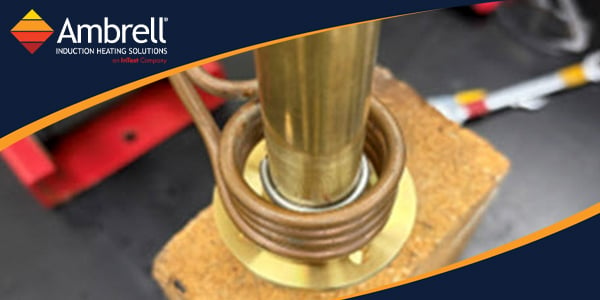
Induction heating involves generating an alternating current (AC) in a coil, creating a magnetic field. When a conductive material, such as metal, is placed within this magnetic field, it experiences eddy currents. These eddy currents, in turn, generate heat due to resistive losses.
Applications of Induction Heating in Packaging
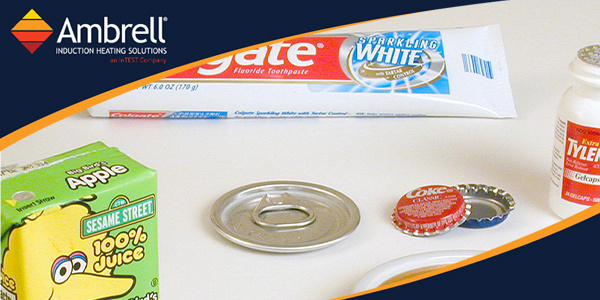
The packaging industry leverages induction heating for a variety of applications, including:
Sealant Activation:
- Heat Sealing: Induction heating is used to activate heat-sealable coatings on packaging materials, ensuring a strong and airtight seal.
- Shrink Wrapping: By heating shrinkable films, induction heating can be used to tightly wrap products, providing a professional appearance and protection.
Metal Component Heating:
- Can Sealing: In the canning industry, induction heating is employed to heat the metal lid of a can, melting a sealing compound and creating a hermetic seal.
- Metal Component Bonding: Induction heating can be used to bond metal components, such as metallized labels or closures, to packaging materials.
Sterilization and Pasteurization:
- Food and Beverage: Induction heating can be used to quickly and efficiently sterilize or pasteurize food and beverage products within their packaging, extending their shelf life.
Advantages of Induction Heating in Packaging
- Precision Heating: Induction heating allows for precise control of the heating process, targeting specific areas and minimizing heat transfer to surrounding materials.
- Energy Efficiency: By directly heating the target material, induction heating reduces energy waste and improves overall efficiency.
- Speed and Productivity: Induction heating can significantly increase production rates by reducing heating times and cycle times.
- Environmentally Friendly and Clean: Induction heating is a clean process that does not require open flames or direct contact with heating elements, reducing pollution and safety hazards.
- Versatility: Induction heating can be applied to a wide range of materials and packaging formats, making it an optimal solution for various industries.
Induction heating's role in the packaging industry continues to become more prominent. By offering precise control, energy efficiency, and versatility, induction heating is helping manufacturers to produce high-quality, innovative packaging solutions.
Visit our website to read application notes involving induction applications in the packaging industry.