Ambrell to Exhibit at Three Manufacturing Tradeshows Next Week
Next week, Ambrell will be exhibiting at three leading industry events spanning North America and Europe. Whether you're exploring new production...


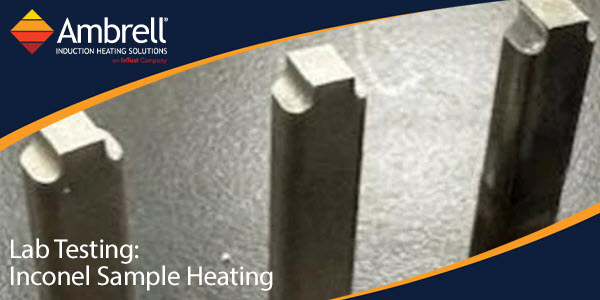
When working with high-performance alloys like Inconel, achieving precise, repeatable heating is critical—especially in research and development environments. In this application test by THE LAB at Ambrell, induction heating was successfully used to heat customer-supplied Inconel samples to 860 °C (1580 °F) with speed, accuracy, and consistency.
More Heating Application Notes
The objective of this application was to heat Inconel samples to 860 °C for a research project. Inconel is known for its strength and resistance to extreme temperatures, which makes controlled heating both essential and challenging. Traditional heating methods can introduce long ramp-up times, inconsistent results, and unnecessary energy use—factors that are less than ideal for research applications.
To meet the project requirements, Ambrell used an EKOHEAT induction heating system rated at 15 kW and operating in the 50–150 kHz range. The system was paired with a remote heat station, and was operated at a frequency of 121 kHz during testing.
A specially designed helical induction coil was developed to deliver heat to the Inconel samples. Initial tests focused on optimizing power delivery and understanding the heating patterns produced by the coil. After several iterations and refinements to the coil setup, consistent heating results were achieved and data was collected from the testing process
This application test by THE LAB at Ambrell demonstrates several advantages of induction heating when applied to demanding materials like Inconel:
Induction heating delivers the same result every time, making it suitable for applications that require consistent outcomes, including high-volume or repeat testing scenarios.
With no ramp-up time required—as opposed to conventional ovens—heating occurred relatively quickly, reducing overall process time for the client.
Energy is delivered directly to the part, with no ramp-up time, resulting in a highly efficient heating process.
Induction systems take up modest floor space, and the workhead can be positioned at a distance from the power supply, offering greater layout flexibility.
This Inconel heating project underscores how induction heating can support advanced research by providing precise temperature control, fast cycle times, and repeatable results. THE LAB at Ambrell offers free application testing to help organizations validate viability prior to making an investment.

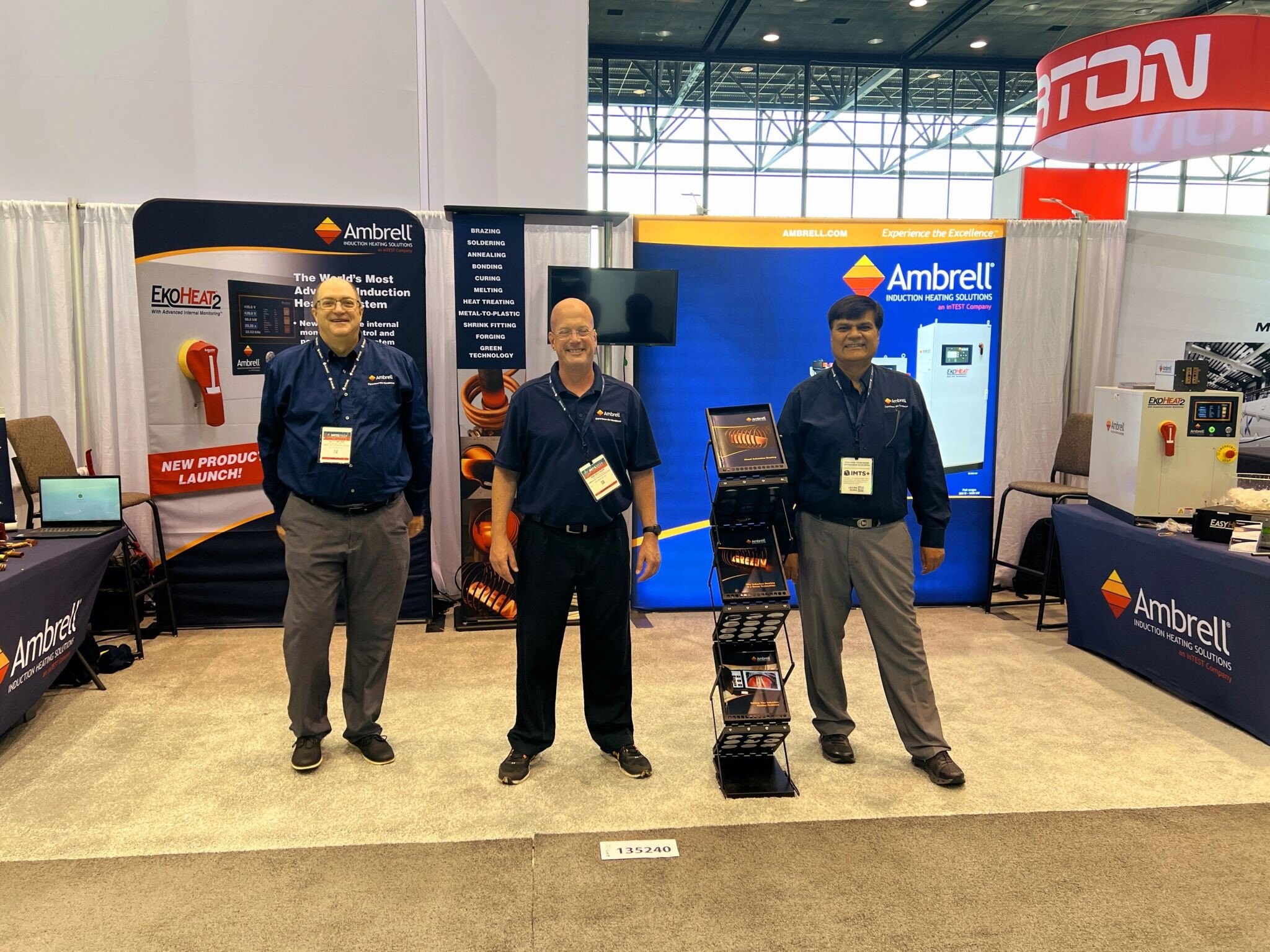
Next week, Ambrell will be exhibiting at three leading industry events spanning North America and Europe. Whether you're exploring new production...
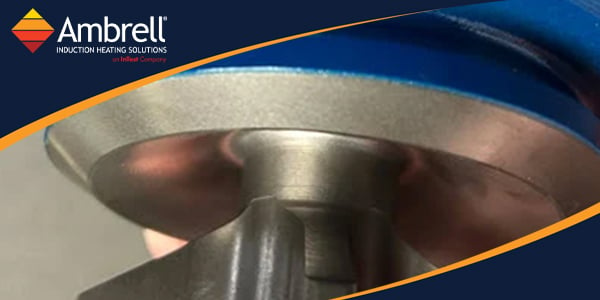
In the oil and gas industry, component reliability is critical. Fracking equipment operates in demanding environments where even minor manufacturing...
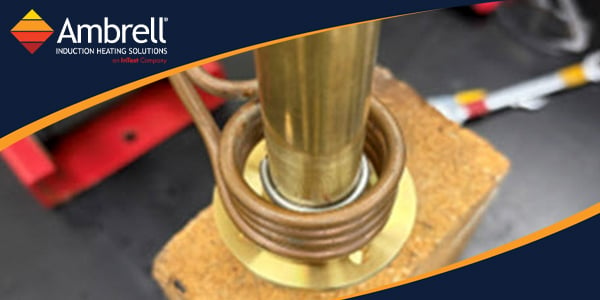
In antenna manufacturing, soldering quality is crucial. Poorly controlled heat can lead to inconsistent joints, unnecessary rework, and potential...