Induction Heating Steel Valve and Flange Assemblies
Objective Large steel valves and flange assemblies are critical components in many industrial systems, but heating them efficiently for assembly,...



In today’s manufacturing landscape, efficiency, precision, and sustainability are critical. Induction heating—a process that uses electromagnetic fields to heat electrically conductive materials—has emerged as an important tool across industries. From automotive to aerospace, manufacturers are increasingly adopting this technology thanks to its speed, accuracy, and eco-friendly profile.
Below are the top nine benefits of induction heating for manufacturing:
Induction heating converts up to 90% of electrical energy into heat, far surpassing traditional methods like gas or resistance heating. This efficiency reduces energy bills and helps manufacturers meet carbon neutrality goals.
Unlike conventional furnaces that heat the surrounding environment, induction heats the part directly—often in seconds. This leads to shorter cycle times, higher throughput, and improved productivity.
Induction heating delivers targeted heat exactly where it’s needed, minimizing distortion and ensuring a consistent, high quality result. This precision is critical for components requiring tight tolerances, such as many medical applications.
With induction, there are no open flames, no combustion gases, and minimal hot surfaces. Consequently, induction heating significantly reduces fire hazards and operator risks compared to torch or furnace methods.
Induction heating is a clean process—no smoke, fumes, or harmful emissions. It supports sustainability initiatives and creates a healthier workplace while reducing the carbon footprint.
Energy savings, reduced maintenance, and minimal downtime make induction heating cost-effective. Many manufacturers report return-on-investment within a couple years due to lower energy bills and improved productivity. Additionally, some utilities offer electrification incentives.
Because induction heating is non-contact and localized, it reduces wear and tear on fixtures and tooling. This prolongs equipment life and lowers replacement costs.
From brazing and forging to shrink fitting and heat treating, induction heating supports a wide range of processes. Industries such as automotive, aerospace, semiconductor, medical, and electronics rely on its adaptability.
Precise temperature control ensures uniform heating, reducing defects and improving metallurgical properties. This leads to stronger joints, better surface finishes, and superior overall quality.
Induction heating isn’t just a technological upgrade—it’s a strategic investment in efficiency, safety, and sustainability. Whether you’re looking to cut costs, boost productivity, or meet green targets, induction heating offers a viable path forward.

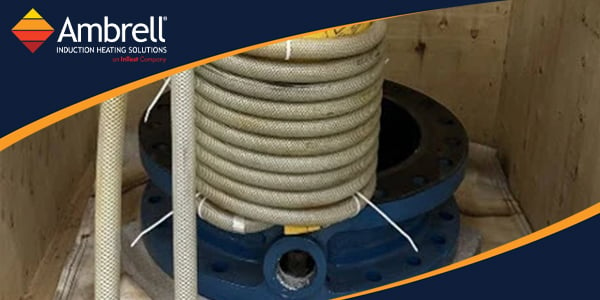
Objective Large steel valves and flange assemblies are critical components in many industrial systems, but heating them efficiently for assembly,...
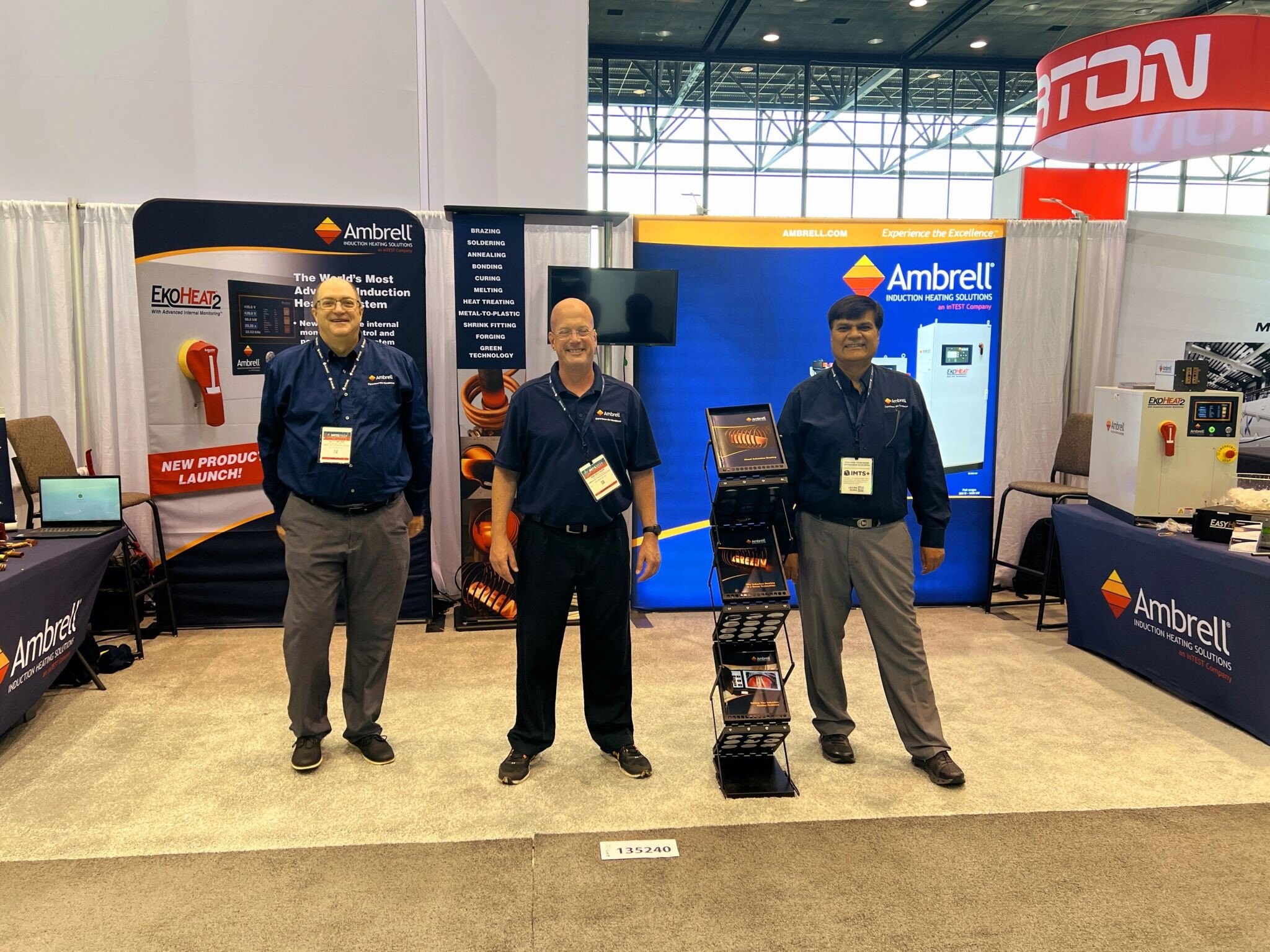
Next week, Ambrell will be exhibiting at three leading industry events spanning North America and Europe. Whether you're exploring new production...
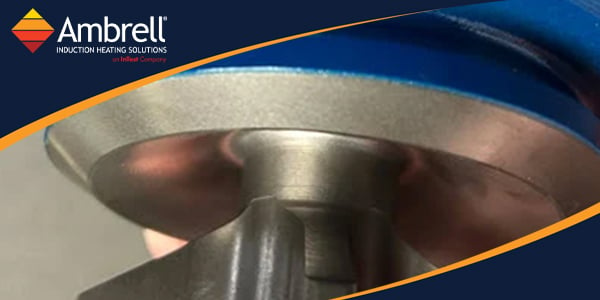
In the oil and gas industry, component reliability is critical. Fracking equipment operates in demanding environments where even minor manufacturing...