Ambrell to Exhibit at Three Manufacturing Tradeshows Next Week
Next week, Ambrell will be exhibiting at three leading industry events spanning North America and Europe. Whether you're exploring new production...


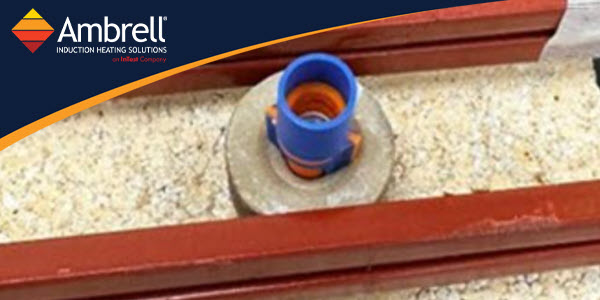
Heat staking is a critical process in many high‑volume manufacturing applications where metal components must be securely inserted into plastic parts. In a recent application note from THE LAB at Ambrell, induction heating is used to heat stake a square‑wire spring inside a thermoplastic wire nut—demonstrating speed, consistency, and efficiency in a compact production footprint.
More Staking Application Notes
The objective of this application is to heat stake a square‑wire spring into a thermoplastic shell to produce finished wire nuts. This requires heating the metal spring sufficiently so it can be embedded into the plastic housing without damaging the surrounding material or compromising part quality. Traditional heating methods can struggle to deliver consistent results at production speeds, especially when precise, localized heating is required.
To meet these requirements, Ambrell used an EASYHEAT 10 kW induction heating system equipped with a remote workhead. A custom‑designed, multiple‑turn channel coil was developed specifically for this application to generate the required heating profile for the square‑wire spring.
Initial testing focused on optimizing the power delivered to the part. Once the desired heat pattern was achieved within the allowable time frame, samples were run at multiple settings to ensure consistent results. This testing approach helped validate the process before moving into production.
This application demonstrates several advantages of using induction heating for heat staking metal components into plastic:
Induction heating rapidly heats the metal insert, helping manufacturers meet demanding production objectives.
Induction provides the same heating result time after time, which is ideal for high‑volume manufacturing processes.
Most of the energy is delivered directly into the metal insert rather than the surrounding environment, resulting in significant energy savings compared to competitive heating methods.
Induction systems require less floor space than ovens, making them easier to integrate into existing production lines.
THE LAB at Ambrell has considerable experience with heat staking applications, which enabled them to deliver a solution that met the client's requirements. To learn more about free application testing, visit our page about THE LAB to get the process started.

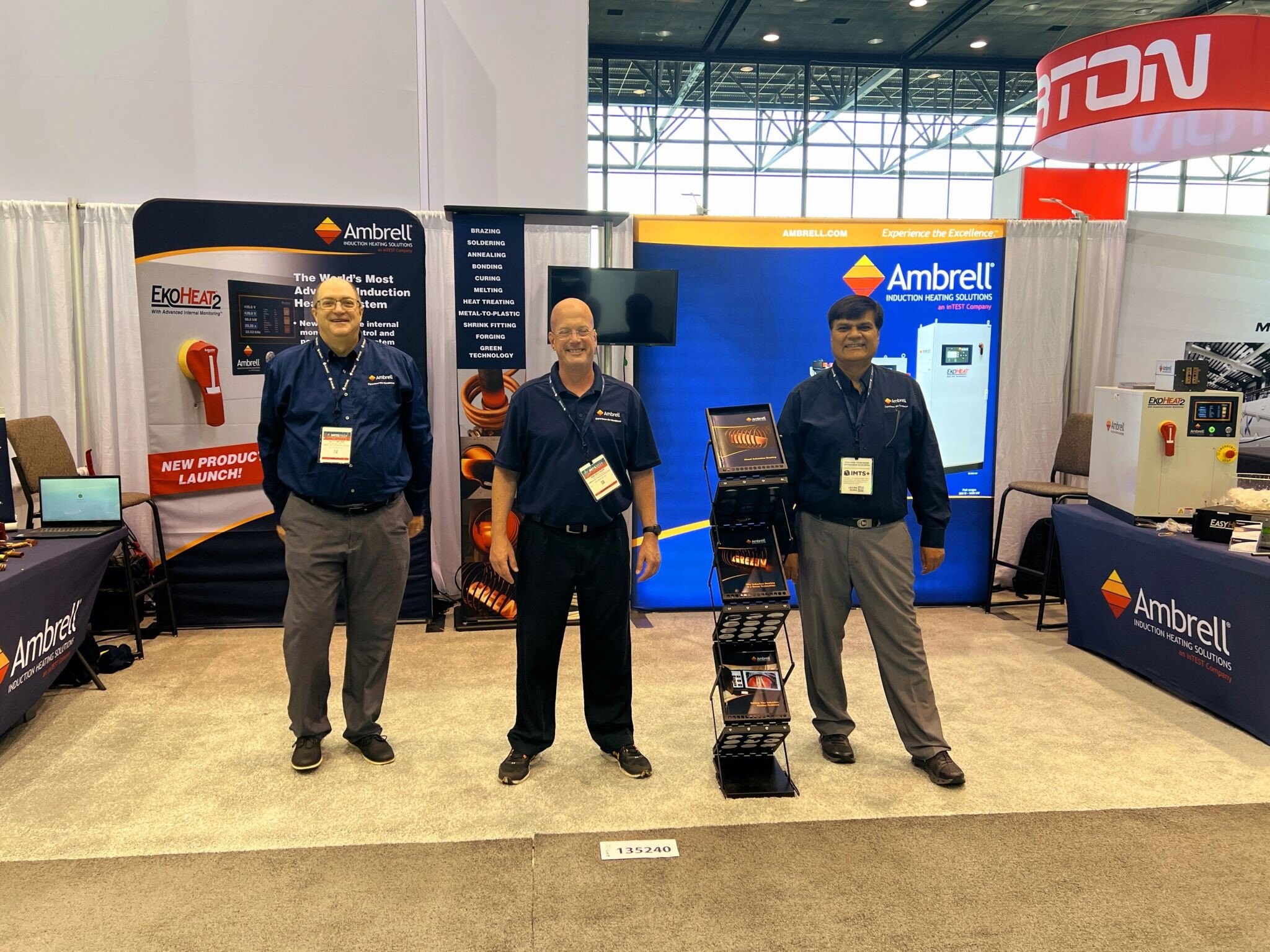
Next week, Ambrell will be exhibiting at three leading industry events spanning North America and Europe. Whether you're exploring new production...
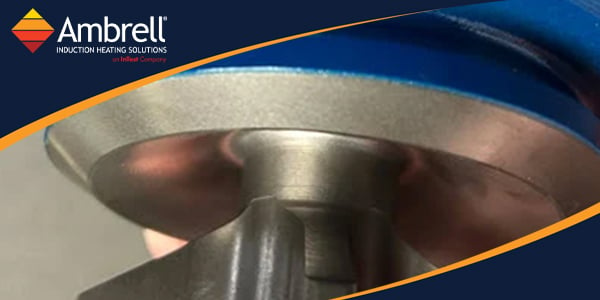
In the oil and gas industry, component reliability is critical. Fracking equipment operates in demanding environments where even minor manufacturing...
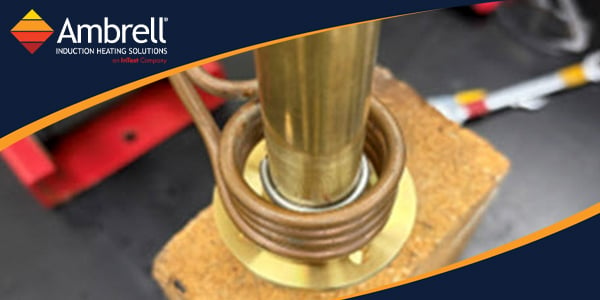
In antenna manufacturing, soldering quality is crucial. Poorly controlled heat can lead to inconsistent joints, unnecessary rework, and potential...