Ambrell to Exhibit at Three Manufacturing Tradeshows Next Week
Next week, Ambrell will be exhibiting at three leading industry events spanning North America and Europe. Whether you're exploring new production...


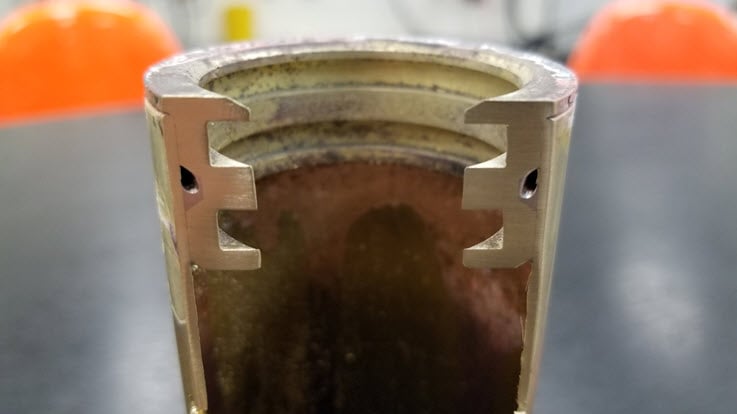
A manufacturer of sink products had been using a torch for brazing brass assemblies. However, repeatability had become an issue so they turned to THE LAB at Ambrell to test induction heating for their brazing application.
More brazing application notes
THE LAB determined that an EASYHEAT™ 6 kW, 150-400 kHz induction heating system with a custom-designed single position multiple-turn helical coil would be the right solution for their brazing application. It took two minutes to heat the 2”/51 mm OD brass assembly to 1425 °F (773 °C), meeting the client's time objective.
As already mentioned, repeatability was a critical factor as to why they turned to Ambrell induction heating. The client was seeing inconsistencies from torch operator to operator, so switching to induction resolved that issue. Induction was also fast, and it doesn't introduce a flame into the work environment, making it more comfortable and safe. 
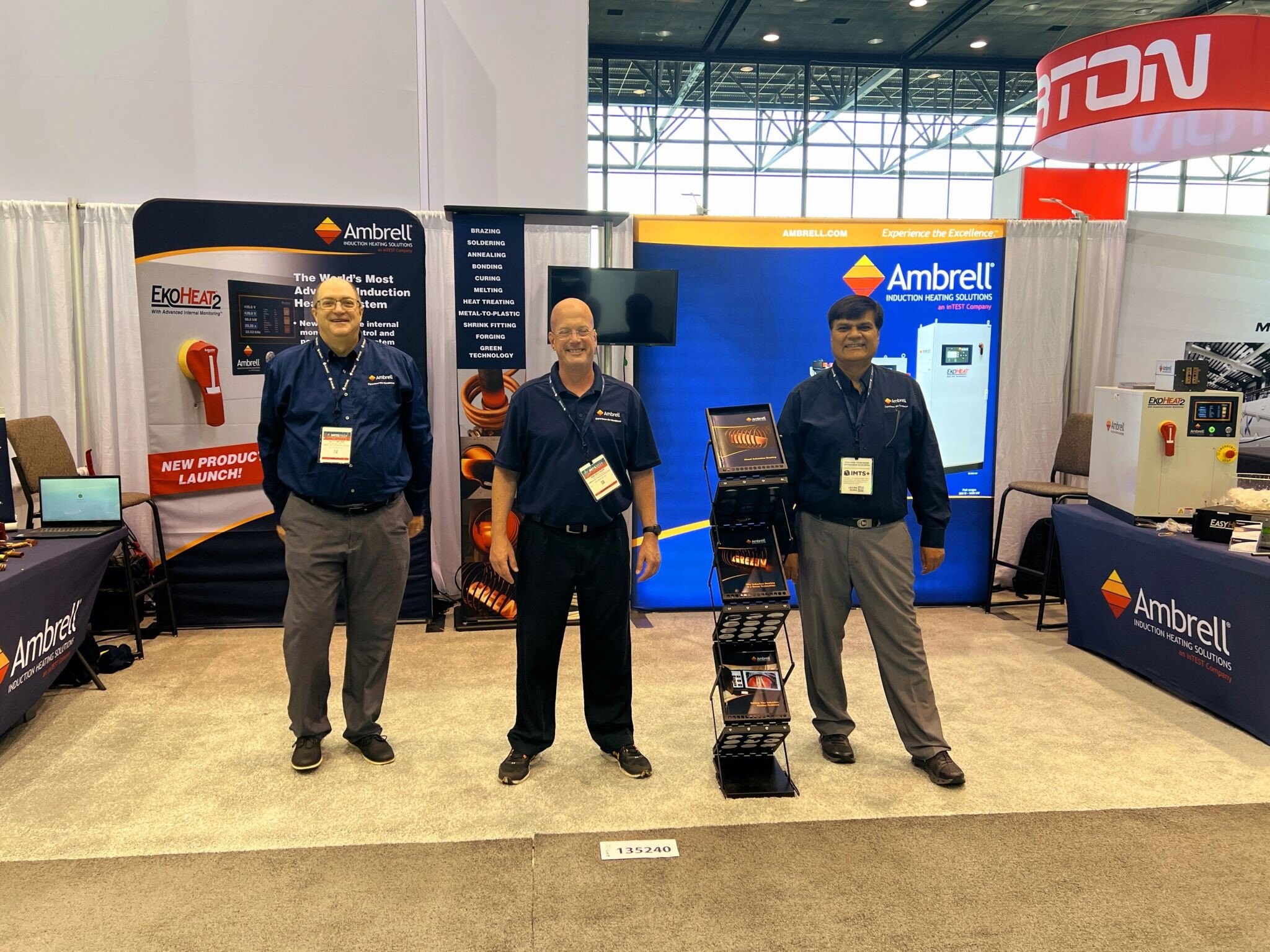
Next week, Ambrell will be exhibiting at three leading industry events spanning North America and Europe. Whether you're exploring new production...
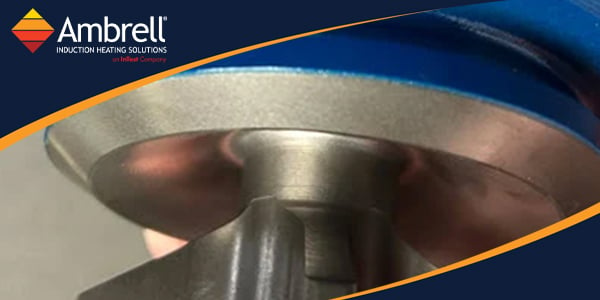
In the oil and gas industry, component reliability is critical. Fracking equipment operates in demanding environments where even minor manufacturing...
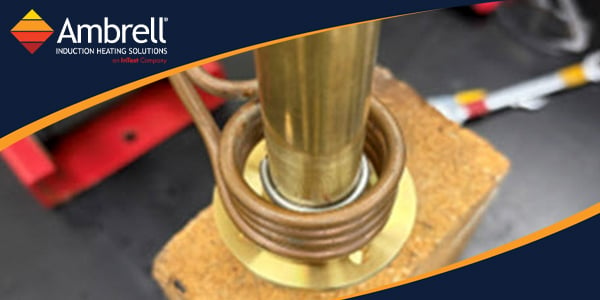
In antenna manufacturing, soldering quality is crucial. Poorly controlled heat can lead to inconsistent joints, unnecessary rework, and potential...