Induction Heating Steel Valve and Flange Assemblies
Objective Large steel valves and flange assemblies are critical components in many industrial systems, but heating them efficiently for assembly,...


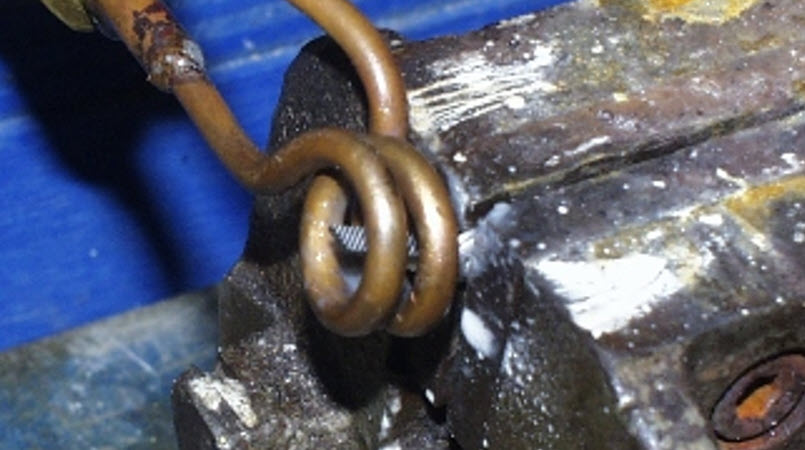
A client from the medical industry came to THE LAB at Ambrell looking to braze carbide to steel as a part of their surgical device manufacturing process. The application involved brazing a carbide wear pad to steel with the end product being automated surgical forceps. The materials were a steel assembly, carbide wear pad and brazing alloy.
More carbide-heating application notes
THE LAB's application engineers determined that an Ambrell EASYHEATTM 1.2 kW, 150-400 kHz induction heating power supply would meet the client's objectives. A custom-designed two-turn helical coil was built to generate the required heating for this brazing application.
This application is highly dependent on the fixturing setup. Braze shim preforms were cut to size and sandwiched between the carbide and the steel, and white flux was used on the samples. The sample assembly was then heated in the coil. The brazing temperature of 1400 °F was reached in approximately 8-10 seconds.
Induction offers several benefits when compared to alternative heating methods such as torch brazing. Speed is of course a significant benefit. Repeatability is another common reason companies switch to induction, as was the case here. With induction, you can expect the same result time after time, and high quality joints are critical in medical manufacturing applications like this one. Finally, induction provides considerable safety advantages since no open flame is introduced into the work place like there is with a torch.
Brazing carbide to steel for a surgical device
If you're in the medical industry, be sure to request our Medical Device Manufacturing Brochure. And, if you have an application you'd like assessed, contact THE LAB to take advantage of complimentary induction heating application testing from our expert team.
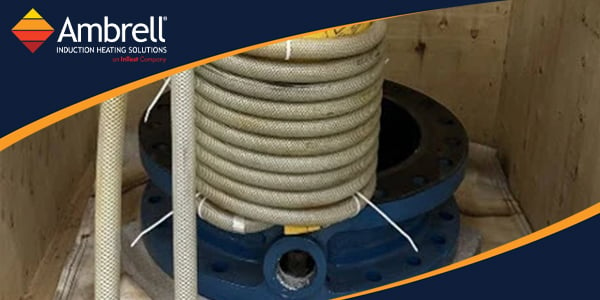
Objective Large steel valves and flange assemblies are critical components in many industrial systems, but heating them efficiently for assembly,...
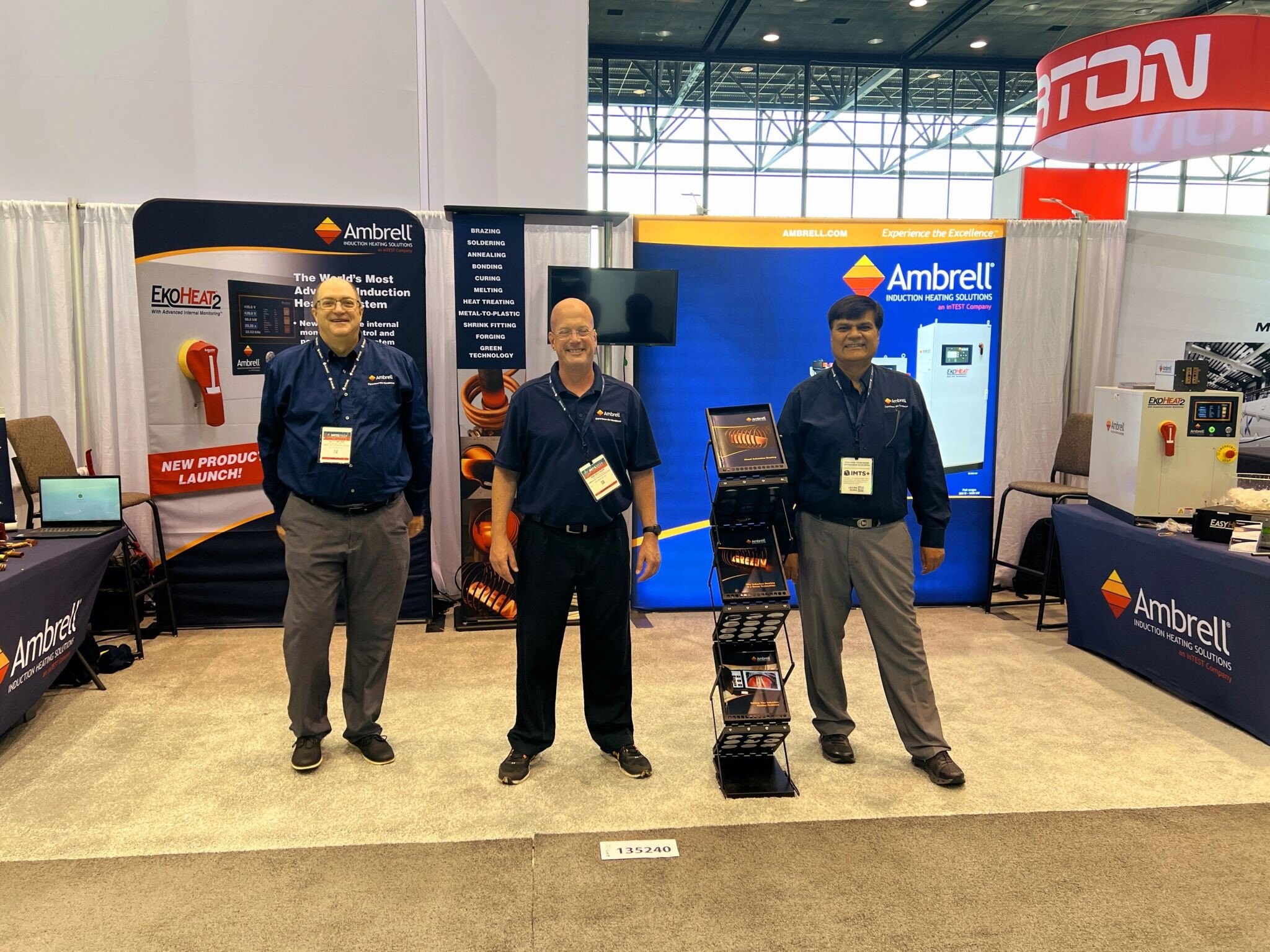
Next week, Ambrell will be exhibiting at three leading industry events spanning North America and Europe. Whether you're exploring new production...
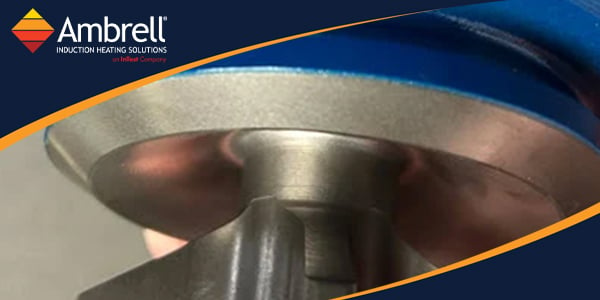
In the oil and gas industry, component reliability is critical. Fracking equipment operates in demanding environments where even minor manufacturing...