Ambrell to Exhibit at Three Manufacturing Tradeshows Next Week
Next week, Ambrell will be exhibiting at three leading industry events spanning North America and Europe. Whether you're exploring new production...


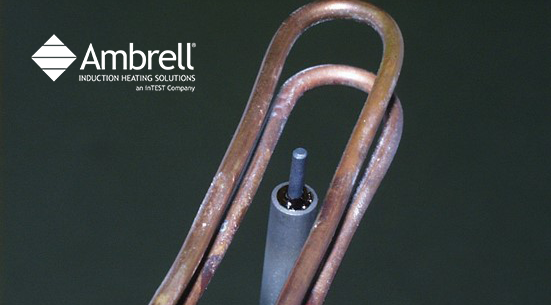
THE LAB at Ambrell tested an application that involved heat sealing both ends of a stainless-steel heater assembly to 300-500 ºF (149-260 ºC) to melt glass preforms. THE LAB determined that an Ambrell EASYHEATTM 2 kW induction heating system with a two-turn elongated helical coil would be the right solution for this melting application.
The two-turn elongated helical coil was used to heat 5 to 7 stainless steel rods simultaneously for 60 seconds. The glass preforms melted and created a hermetic seal. After the first end was heated, the parts were repositioned to heat the opposite end. The frequency on the EASYHEAT was set to 212 kHz.
Melting with Ambrell induction heating offers several benefits. Hands free heating is possible, which leads to repeatability and doesn't require operator skill. Induction is also rapid and a comparatively clean heating method. The amount of glass was precisely controlled by the glass preforms and the even flow of glass created an aesthetically pleasing bond. Finally, there's an even distribution of heat that lends itself to consistency.
If you have an application that could benefit from induction heating, learn more about our free applications testing, including our Remote Lab Service. With Remote Lab Service, you can view testing live in our laboratory from the comfort and convenience of your office. 
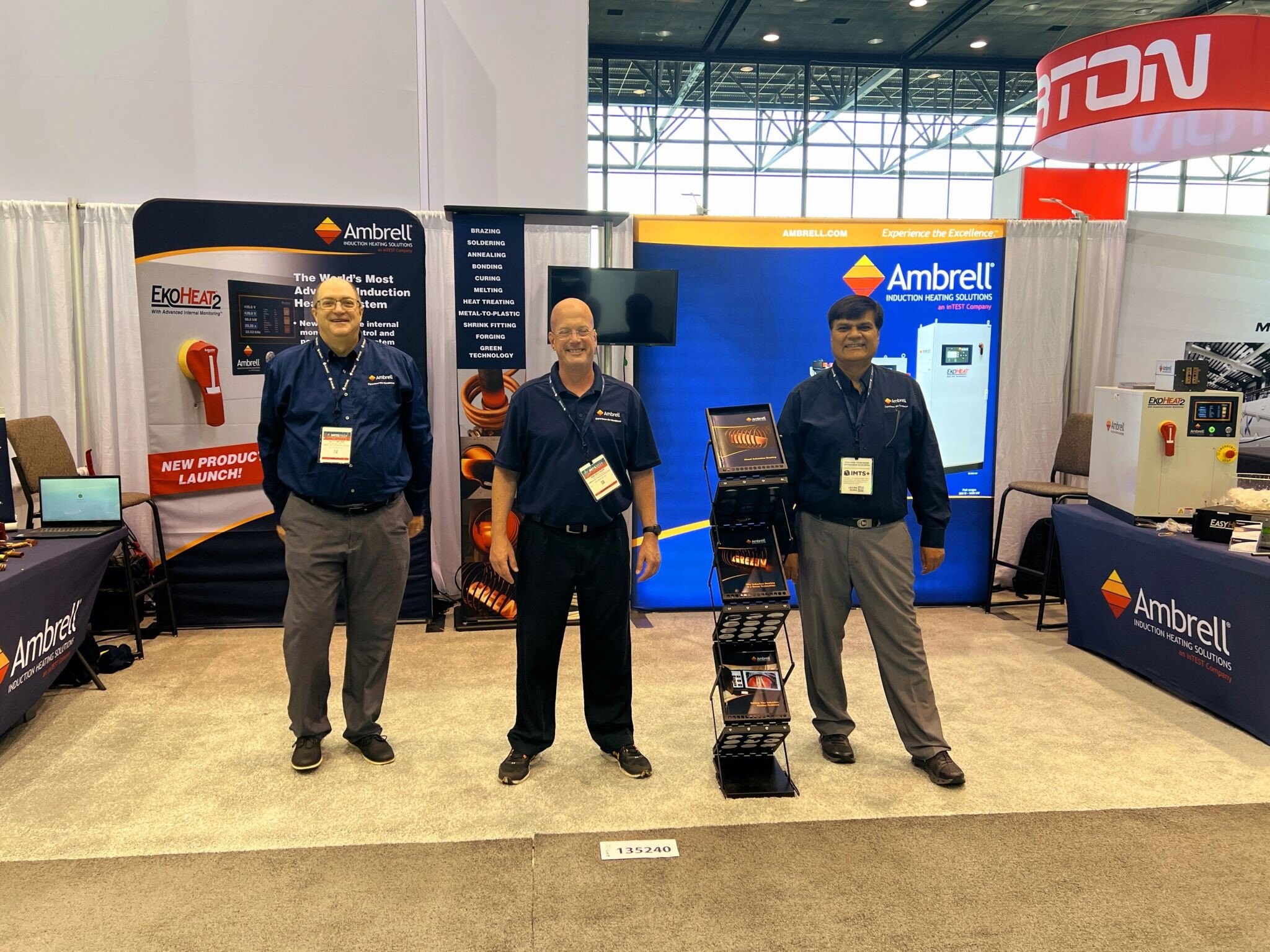
Next week, Ambrell will be exhibiting at three leading industry events spanning North America and Europe. Whether you're exploring new production...
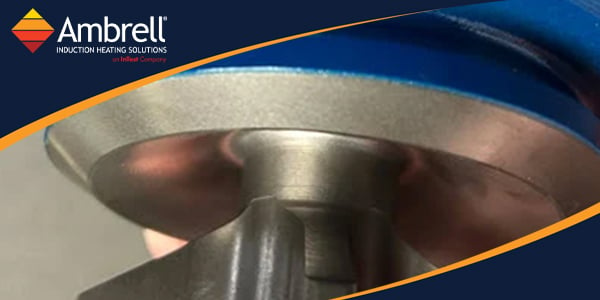
In the oil and gas industry, component reliability is critical. Fracking equipment operates in demanding environments where even minor manufacturing...
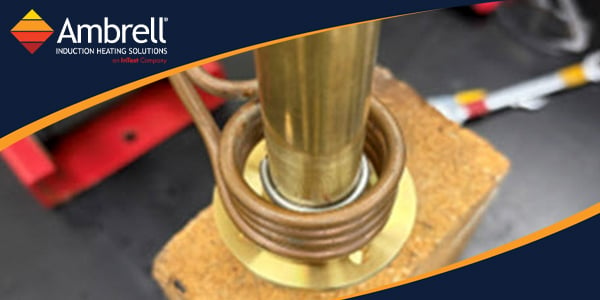
In antenna manufacturing, soldering quality is crucial. Poorly controlled heat can lead to inconsistent joints, unnecessary rework, and potential...